Category
More
Loading
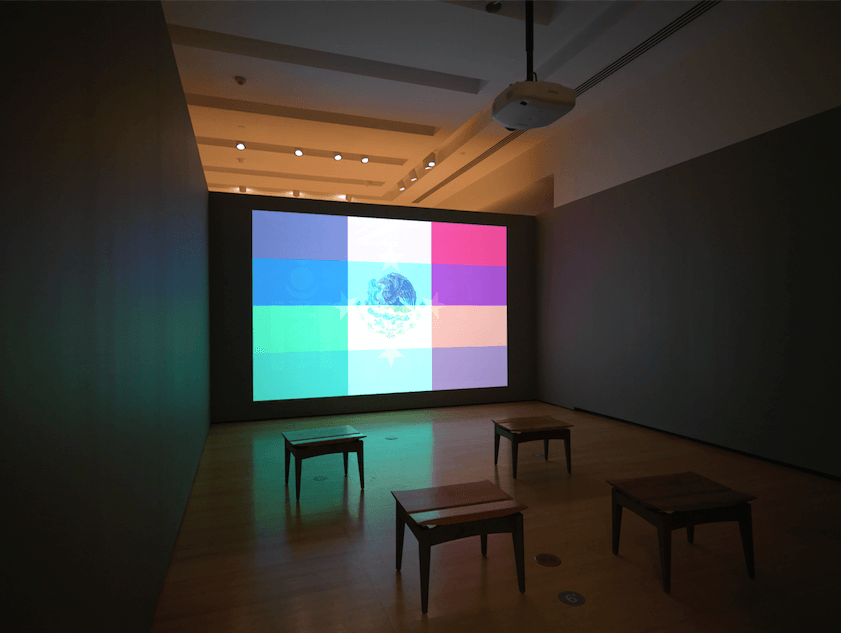
To Breathe – The Flags
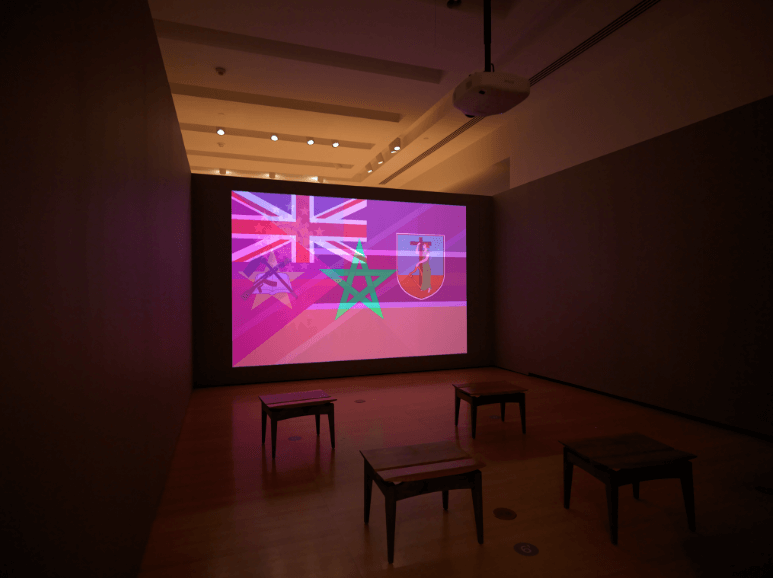
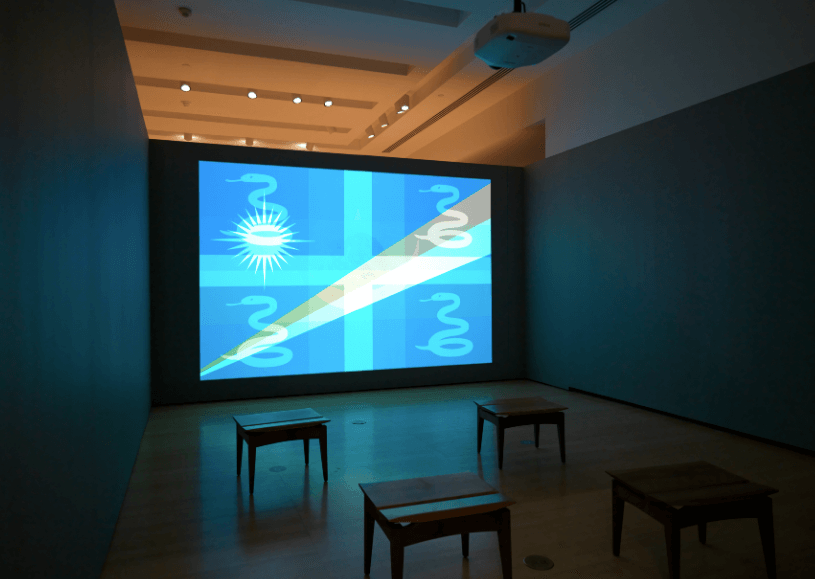
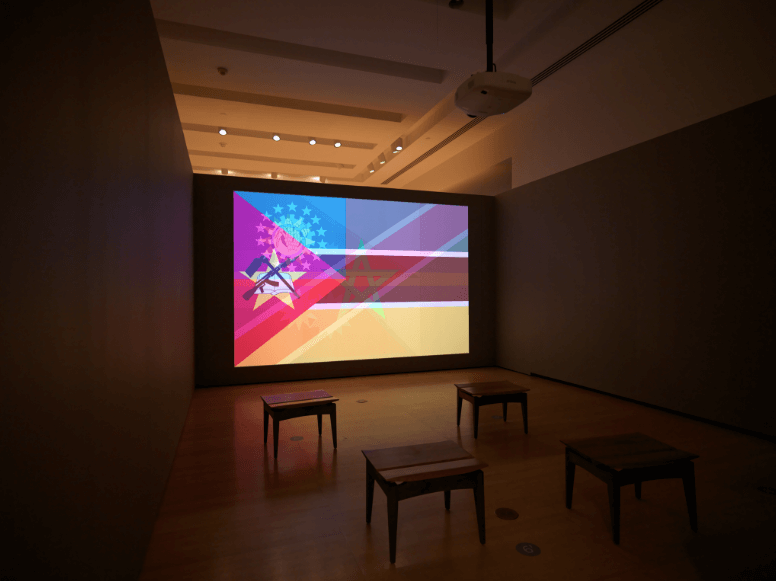
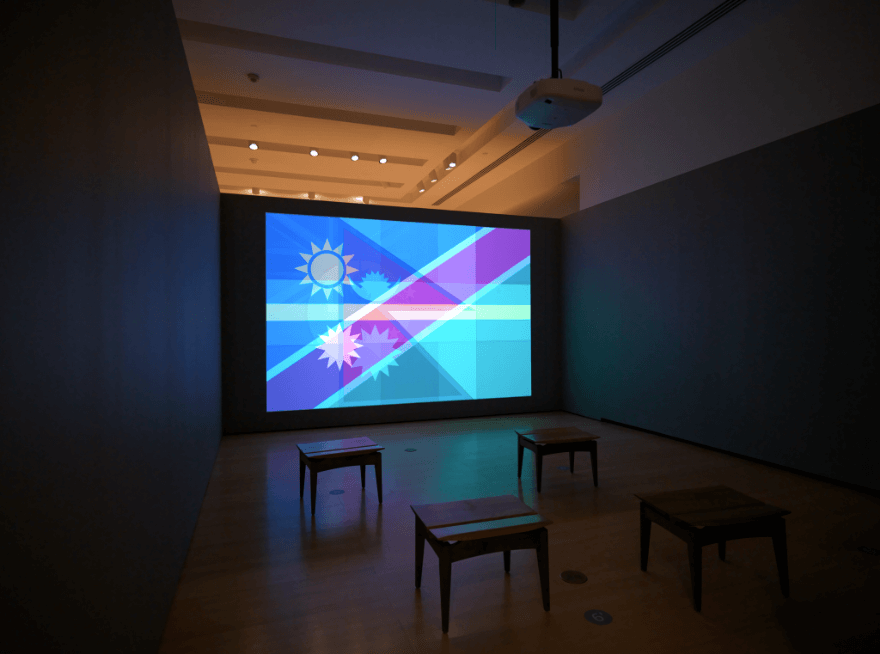
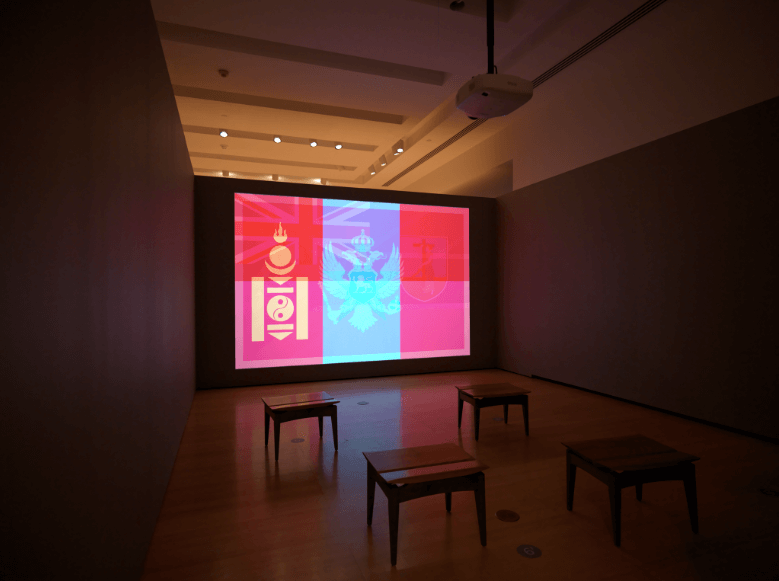
To Breathe – The Flags
Installation at the 1st Asia Society Triennial: We Do Not Dream Alone: Art and creativity under lockdown, Asia Society Museum, New York, USA
For more information, click HERE
Photo by Bruce M. White
To Breathe – The Flags
Single Channel Video Animation, 40:41 loop, Silent
Courtesy of Galleria Raffaella Cortese, Milan, Italy and Kimsooja Studio
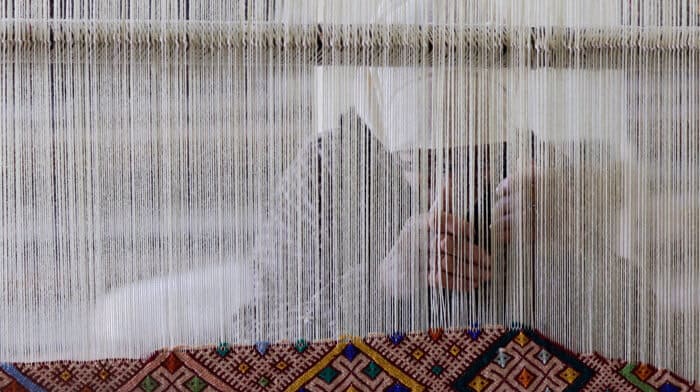
Thread Routes – Chapter VI
Thread Routes – Chapter VI
Single Channel Video
28:18, 5.1 Sound, HD
Edition of 6 plus 1 artist's proof
Commissioned by the City of Poitiers
–
Thread Routes is Kimsooja’s first 16mm film series, after having spent more than three decades contextualizing and conceptualizing textiles as a canvas that supports a structural investigation of human life, nature and the world.
While contemporary art has long considered textiles as craft, Kimsooja has consistently sought to connect the nature of textiles to the performative, the sculptural/architectural, the notion of tableau and questions of gender, aesthetics and culture.
Divided into six chapters, Thread Routes takes place in six different cultural zones around the world. Kimsooja considers her approach as a 'visual poem' and a 'visual anthropology' in juxtaposing and presenting structural similarities in performative elements of textile culture with the structures in nature, architecture, agriculture and gender relationships in different cultures. These non-descriptive and non-narrative documentary films were conceived after being inspired in Bruge, Belgium in 2002, by traditional lace making, and its performative elements and architectural structure.
–
Most recently, in 2019, Kimsooja traveled to Morocco to film the sixth chapter of the series. Documenting crafts such as leather dyeing, tile making, embroidery, and weaving,
In juxtaposing crafts traditionally thought of as masculine and feminine, such as mosaic tile making and weaving, respectively, Kimsooja examines the ways in which different labor is gendered. Scenes of ancient architecture, such as the world’s oldest university, blend into views of pastures, mountains, and desert dunes throughout Morocco’s diverse landscape.
〈실의 궤적〉은 인간의 삶, 자연, 세계의 구조를 탐구하는 회화적 장(場)으로서 텍스타일을 30여 년에 걸쳐 맥락화하고 개념화해 온 이후, 김수자가 처음으로 제작한 16mm 필름 연작이다. 동시대 미술이 오랫동안 텍스타일을 공예로 간주해 왔음에도 김수자는 텍스타일의 본질을 퍼포머티브한 차원, 조각·건축적 차원, 타블로(tableau)의 개념, 그리고 젠더·미학·문화에 대한 질문들과 지속적으로 연결해 왔다.
여섯 개의 장으로 구성된 〈실의 궤적〉은 전 세계 여섯 개의 서로 다른 문화권을 배경으로 제작되었다. 김수자는 이 접근을 ‘시각적 시(visual poem)’이자 ‘시각적 인류학(visual anthropology)’으로 간주하며, 텍스타일 문화의 퍼포먼스적 요소들이 자연, 건축, 농경, 젠더 관계의 구조들과 지니는 형식적 유사성을 병치해 제시한다. 이 비서사적이고 비서술적인 다큐멘터리 필름들은 2002년 벨기에 브뤼헤에서 전통 레이스 제작과 그 퍼포먼스적·건축적 구조를 목격한 경험에서 영감을 받아 구상되었다.
–
Chapter VI (2019) — 모로코
가장 최근인 2019년, 김수자는 시리즈의 여섯 번째 챕터를 촬영하기 위해 모로코로 향했다. 여기서는 가죽 염색, 타일 제작, 자수, 직조 등 다양한 공예가 기록된다. 작가는 모자이크 타일 제작과 직조처럼 전통적으로 남성적 혹은 여성적 노동으로 간주되어 온 공예들을 병치함으로써 서로 다른 노동이 어떻게 젠더화되는지를 탐구한다. 모로코의 다양한 지형을 이루는 목초지, 산악 지대, 사막의 모래언덕 풍경은 마치 세계에서 가장 오래된 대학과 같은 고대 건축 장면들과 자연스럽게 겹쳐지며 이어진다.
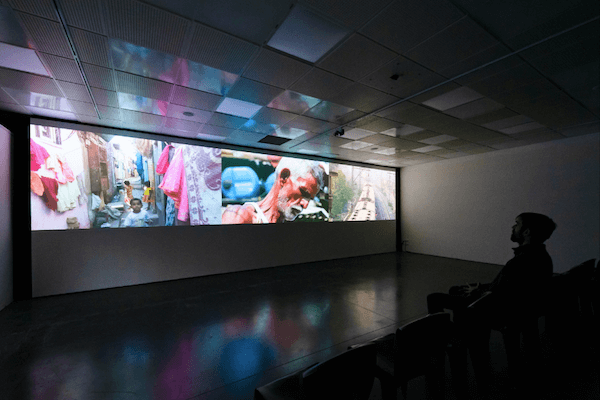
Mumbai : A Laundry Field
Mumbai : A Laundry Field
Installation view at Maison de l'Architecture, For Traversées / Kimsooja, 13 site-specific installations around the city of Poitiers, Poitiers, France
Photo by Yann Gachet
Mumbai : A Laundry Field
3 Channel Video, 10:25 loop, Sound
Courtesy of Kewenig Gallery, the City of Poitiers and Kimsooja Studio
Thread Routes – Chapter V
Thread Routes – Chapter V
Single Channel Video
21:59 loop, 5.1 Sound, HD
Edition of 6 plus 1 artist's proof
–
Thread Routes is Kimsooja’s first 16mm film series, after having spent more than three decades contextualizing and conceptualizing textiles as a canvas that supports a structural investigation of human life, nature and the world.
While contemporary art has long considered textiles as craft, Kimsooja has consistently sought to connect the nature of textiles to the performative, the sculptural/architectural, the notion of tableau and questions of gender, aesthetics and culture.
Divided into six chapters, Thread Routes takes place in six different cultural zones around the world. Kimsooja considers her approach as a 'visual poem' and a 'visual anthropology' in juxtaposing and presenting structural similarities in performative elements of textile culture with the structures in nature, architecture, agriculture and gender relationships in different cultures. These non-descriptive and non-narrative documentary films were conceived after being inspired in Bruge, Belgium in 2002, by traditional lace making, and its performative elements and architectural structure.
–
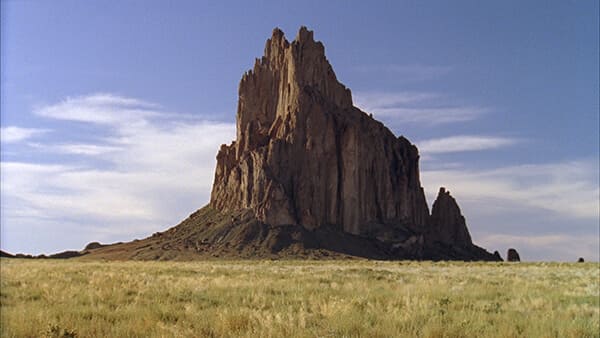
Chapter V, filmed in 2016 in the American Southwest, centers on the land and craft of indigenous Americans. Scenes of plateaus and prairies are interspersed with adobe dwellings and caves that sheltered people thousands of years ago. Kimsooja connects this to craft by showing techniques that have been practiced equally as long and which are related to the land, showing weaving on handmade looms and basket weaving, starting with collecting the plants native plants with which they are woven.
〈실의 궤적〉은 인간의 삶, 자연, 세계의 구조를 탐구하는 회화적 장(場)으로서 텍스타일을 30여 년에 걸쳐 맥락화하고 개념화해 온 이후, 김수자가 처음으로 제작한 16mm 필름 연작이다. 동시대 미술이 오랫동안 텍스타일을 공예로 간주해 왔음에도 김수자는 텍스타일의 본질을 퍼포머티브한 차원, 조각·건축적 차원, 타블로(tableau)의 개념, 그리고 젠더·미학·문화에 대한 질문들과 지속적으로 연결해 왔다.
여섯 개의 장으로 구성된 〈실의 궤적〉은 전 세계 여섯 개의 서로 다른 문화권을 배경으로 제작되었다. 김수자는 이 접근을 ‘시각적 시(visual poem)’이자 ‘시각적 인류학(visual anthropology)’으로 간주하며, 텍스타일 문화의 퍼포먼스적 요소들이 자연, 건축, 농경, 젠더 관계의 구조들과 지니는 형식적 유사성을 병치해 제시한다. 이 비서사적이고 비서술적인 다큐멘터리 필름들은 2002년 벨기에 브뤼헤에서 전통 레이스 제작과 그 퍼포먼스적·건축적 구조를 목격한 경험에서 영감을 받아 구상되었다.
–
Chapter V (2016) — 미국 남서부
2016년 미국 남서부에서 촬영된 다섯 번째 챕터는 원주민들의 땅과 공예를 중심으로 전개된다. 고원을 이루는 지형과 대초원의 장면들은 수천 년 동안 사람들의 거처였던 어도비(흙벽돌) 주거지와 동굴 장면과 교차되며 나타난다. 김수자는 이러한 풍경을, 마찬가지로 오랜 시간 이어져 내려오며 땅과 긴밀히 연결된 공예 전통과 맞닿아 있는 것으로 제시한다. 손으로 만든 베틀을 이용한 직조와 바구니 엮기, 그리고 이를 위해 토착 식물을 채집하는 과정이 그 연관성을 보여준다.

Unfolding Bottari – Geometry of Possession, 1991-2015
Unfolding Bottari – Geometry of Possession, 1991-2015
Digital Slideshow
Selected 223 Flea-Marktet Photographs from the Artist's on going photo project around the world
Thread Routes – Chapter IV
Thread Routes – Chapter IV
Single Channel Video
27:48 loop, 5.1 Sound, HD
Edition of 6 plus 1 artist's proof
–
Thread Routes is Kimsooja’s first 16mm film series, after having spent more than three decades contextualizing and conceptualizing textiles as a canvas that supports a structural investigation of human life, nature and the world.
While contemporary art has long considered textiles as craft, Kimsooja has consistently sought to connect the nature of textiles to the performative, the sculptural/architectural, the notion of tableau and questions of gender, aesthetics and culture.
Divided into six chapters, Thread Routes takes place in six different cultural zones around the world. Kimsooja considers her approach as a 'visual poem' and a 'visual anthropology' in juxtaposing and presenting structural similarities in performative elements of textile culture with the structures in nature, architecture, agriculture and gender relationships in different cultures. These non-descriptive and non-narrative documentary films were conceived after being inspired in Bruge, Belgium in 2002, by traditional lace making, and its performative elements and architectural structure.
–
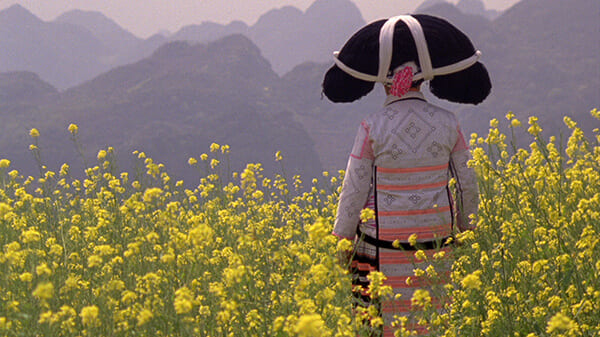
In 2014, Kimsooja filmed Chapter IV in China where she encountered the specific weaving, dyeing and garment culture of the Miao minority in the Guizhou, Hainan and Yunnan provinces. These are depicted alongside elaborate silver adornment and paper making as well as the ancient local housing structures in Fujian, the rice terraces of Yunnan and the landscapes of Guizhou and Hainan.
〈실의 궤적〉은 인간의 삶, 자연, 세계의 구조를 탐구하는 회화적 장(場)으로서 텍스타일을 30여 년에 걸쳐 맥락화하고 개념화해 온 이후, 김수자가 처음으로 제작한 16mm 필름 연작이다. 동시대 미술이 오랫동안 텍스타일을 공예로 간주해 왔음에도 김수자는 텍스타일의 본질을 퍼포머티브한 차원, 조각·건축적 차원, 타블로(tableau)의 개념, 그리고 젠더·미학·문화에 대한 질문들과 지속적으로 연결해 왔다.
여섯 개의 장으로 구성된 〈실의 궤적〉은 전 세계 여섯 개의 서로 다른 문화권을 배경으로 제작되었다. 김수자는 이 접근을 ‘시각적 시(visual poem)’이자 ‘시각적 인류학(visual anthropology)’으로 간주하며, 텍스타일 문화의 퍼포먼스적 요소들이 자연, 건축, 농경, 젠더 관계의 구조들과 지니는 형식적 유사성을 병치해 제시한다. 이 비서사적이고 비서술적인 다큐멘터리 필름들은 2002년 벨기에 브뤼헤에서 전통 레이스 제작과 그 퍼포먼스적·건축적 구조를 목격한 경험에서 영감을 받아 구상되었다.
–
Chapter IV (2014) — 중국
2014년, 김수자는 중국에서 네 번째 챕터를 촬영하며 구이저우, 하이난, 윈난 지역의 묘족(Miao) 공동체가 지닌 독특한 직조, 염색, 의복 문화를 마주했다. 이러한 요소들은 정교한 은장신구와 제지 공예, 푸젠 지역의 고대 주거 구조물, 윈난의 계단식 논, 그리고 구이저우와 하이난의 자연 풍경과 함께 병치되어 나타난다.
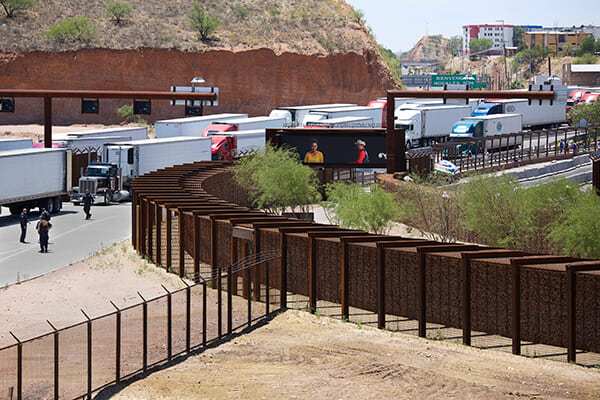
An Album: Sewing into Borderlines
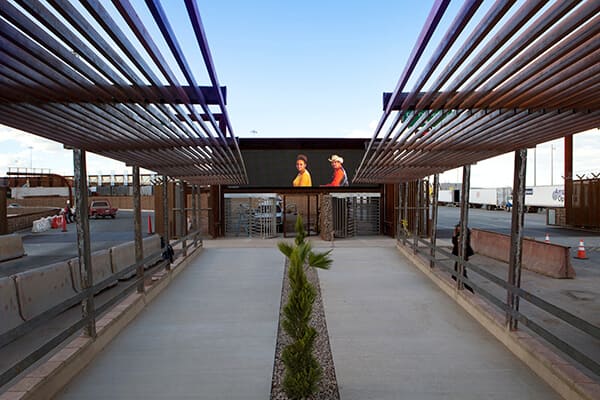
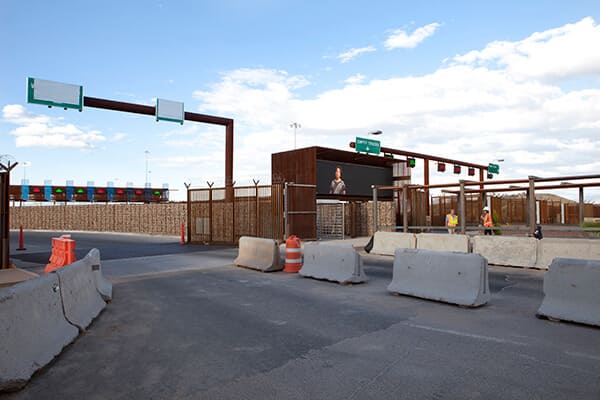
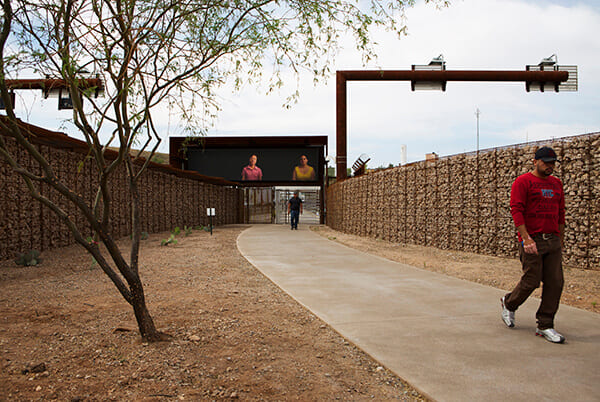
An Album: Sewing into Borderlines
Single Channel Video, 11:01 loop, Silent
Edition of 1 plus 1 artist's proof
Site-specific Video Installation at Mariposa Land Port of Entry, Arizona, USA
Commissioned through the GSA Art in Architecture Program, Fine Arts Collection, U.S. General Services Administration
Thread Routes Chapter III – Lightwaves
Thread Routes Chapter III – Lightwaves
Single Chanel Video
17:35 loop, Sound, HD
Edition of 6 plus 1 artist's proof
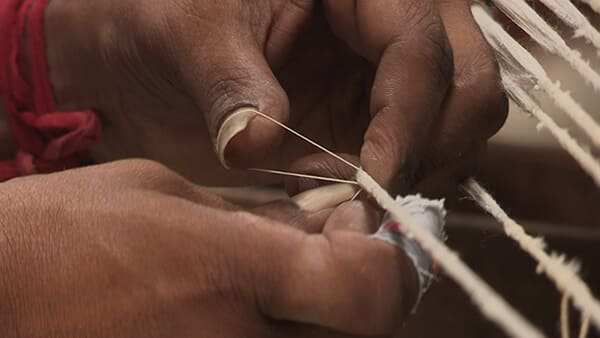
Thread Routes – Chapter III
Thread Routes – Chapter III
Single Channel Video
17:35 loop, 5.1 Sound, HD
Edition of 6 plus 1 artist's proof
–
Thread Routes is Kimsooja’s first 16mm film series, after having spent more than three decades contextualizing and conceptualizing textiles as a canvas that supports a structural investigation of human life, nature and the world.
While contemporary art has long considered textiles as craft, Kimsooja has consistently sought to connect the nature of textiles to the performative, the sculptural/architectural, the notion of tableau and questions of gender, aesthetics and culture.
Divided into six chapters, Thread Routes takes place in six different cultural zones around the world. Kimsooja considers her approach as a 'visual poem' and a 'visual anthropology' in juxtaposing and presenting structural similarities in performative elements of textile culture with the structures in nature, architecture, agriculture and gender relationships in different cultures. These non-descriptive and non-narrative documentary films were conceived after being inspired in Bruge, Belgium in 2002, by traditional lace making, and its performative elements and architectural structure.
–
Chapter III (2012) journeys to India and the traditions of dyeing, sewing, weaving, embroidery, tattoo and woodblock printing, juxtaposed with archeological structures and temporary housing structures of the nomadic communities in Gujara as well as the Step Well and Sun Temple in Amedabad.
〈실의 궤적〉은 인간의 삶, 자연, 세계의 구조를 탐구하는 회화적 장(場)으로서 텍스타일을 30여 년에 걸쳐 맥락화하고 개념화해 온 이후, 김수자가 처음으로 제작한 16mm 필름 연작이다. 동시대 미술이 오랫동안 텍스타일을 공예로 간주해 왔음에도 김수자는 텍스타일의 본질을 퍼포머티브한 차원, 조각·건축적 차원, 타블로(tableau)의 개념, 그리고 젠더·미학·문화에 대한 질문들과 지속적으로 연결해 왔다.
여섯 개의 장으로 구성된 〈실의 궤적〉은 전 세계 여섯 개의 서로 다른 문화권을 배경으로 제작되었다. 김수자는 이 접근을 ‘시각적 시(visual poem)’이자 ‘시각적 인류학(visual anthropology)’으로 간주하며, 텍스타일 문화의 퍼포먼스적 요소들이 자연, 건축, 농경, 젠더 관계의 구조들과 지니는 형식적 유사성을 병치해 제시한다. 이 비서사적이고 비서술적인 다큐멘터리 필름들은 2002년 벨기에 브뤼헤에서 전통 레이스 제작과 그 퍼포먼스적·건축적 구조를 목격한 경험에서 영감을 받아 구상되었다.
–
Chapter III (2012) — 인도
2012년에 촬영된 세 번째 챕터는 인도로 향하며, 염색, 재봉, 직조, 자수, 문신, 목판 인쇄 등의 전통을 다룬다. 이러한 장면들은 구자라트 지역 유목 공동체의 고고학적 구조물과 임시 거주 구조물, 그리고 아메다바드의 계단식 우물과 태양신 사원과 병치되어 제시된다.

To Breathe – The Flags
To Breathe – The Flags
Single Channel Video
Animation, 40:41 loop, Silent
Edition of 6 plus 1 artist's proof
Thread Routes Chapter II – Lightwaves
Thread Routes Chapter II – Lightwaves
Single Chanel Video
23:40 loop, Sound, HD
Edition of 6 plus 1 artist's proof
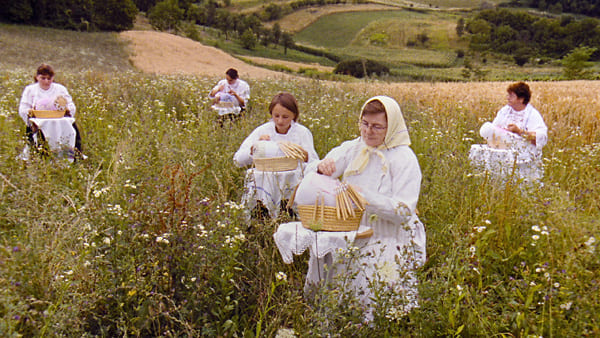
Thread Routes – Chapter II
Thread Routes – Chapter II
Single Channel Video
23:50 loop, 5.1 Sound, HD
Edition of 6 plus 1 artist's proof
–
Thread Routes is Kimsooja’s first 16mm film series, after having spent more than three decades contextualizing and conceptualizing textiles as a canvas that supports a structural investigation of human life, nature and the world.
While contemporary art has long considered textiles as craft, Kimsooja has consistently sought to connect the nature of textiles to the performative, the sculptural/architectural, the notion of tableau and questions of gender, aesthetics and culture.
Divided into six chapters, Thread Routes takes place in six different cultural zones around the world. Kimsooja considers her approach as a 'visual poem' and a 'visual anthropology' in juxtaposing and presenting structural similarities in performative elements of textile culture with the structures in nature, architecture, agriculture and gender relationships in different cultures. These non-descriptive and non-narrative documentary films were conceived after being inspired in Bruge, Belgium in 2002, by traditional lace making, and its performative elements and architectural structure.
–
The second chapter, which finished filming in the summer of 2011, focused on many European lace making actions such as bobbin lace-making from Bruge (Belgium), Lepoglava and Pag (Croatia); industrial lace-making in Calais (France); needle point lace-making by nuns in a monastery in Hvar (Croatia) who use threads from dry Aloe leaves; and traditional needlepoint on the small island of Burano (Italy). These scenes are woven together with delicate yet grand European architecture such as the Duomo in Milan; the Eiffel Tower in Paris; and the Sedlec Ossuary in Kutna Hora (Czech Republic), which is decorated by human bones and skulls. Local vegetation and flowers overlap with scenes from La Alhambra in Granada that conveys in its amazingly detailed and complex decorative Islamic architectural forms, a spatial sensibility and spiritual dimension that is mirrored in lace-making. The bold, masculine, and power-oriented monumental architectural forms are revealed as similar acts to the delicate, feminine, and ephemeral textile making.
〈실의 궤적〉은 인간의 삶, 자연, 세계의 구조를 탐구하는 회화적 장(場)으로서 텍스타일을 30여 년에 걸쳐 맥락화하고 개념화해 온 이후, 김수자가 처음으로 제작한 16mm 필름 연작이다. 동시대 미술이 오랫동안 텍스타일을 공예로 간주해 왔음에도 김수자는 텍스타일의 본질을 퍼포머티브한 차원, 조각·건축적 차원, 타블로(tableau)의 개념, 그리고 젠더·미학·문화에 대한 질문들과 지속적으로 연결해 왔다.
여섯 개의 장으로 구성된 〈실의 궤적〉은 전 세계 여섯 개의 서로 다른 문화권을 배경으로 제작되었다. 김수자는 이 접근을 ‘시각적 시(visual poem)’이자 ‘시각적 인류학(visual anthropology)’으로 간주하며, 텍스타일 문화의 퍼포먼스적 요소들이 자연, 건축, 농경, 젠더 관계의 구조들과 지니는 형식적 유사성을 병치해 제시한다. 이 비서사적이고 비서술적인 다큐멘터리 필름들은 2002년 벨기에 브뤼헤에서 전통 레이스 제작과 그 퍼포먼스적·건축적 구조를 목격한 경험에서 영감을 받아 구상되었다.
–
Chapter II (2011) — 유럽
2011년 여름 촬영을 마친 두 번째 챕터는 유럽 곳곳의 다양한 레이스 제작 방식을 중심으로 한다. 벨기에 브뤼헤의 보빈 레이스, 크로아티아 레포글라바와 파그의 레이스 제작, 프랑스 칼레의 산업 레이스, 크로아티아 흐바르의 수도원에서 수녀들이 건조한 알로에 잎 섬유로 만드는 니들포인트 레이스, 그리고 이탈리아 부라노 섬의 전통 니들포인트가 이에 포함된다. 이 장면들은 밀라노의 두오모, 파리의 에펠탑, 체코 쿠트나호라의 세들레츠 납골당 등 섬세하면서도 장대한 유럽의 건축물 이미지와 함께 직조되며, 현지 식생과 꽃들은 그라나다의 알함브라에서 보이는 정교하고 복잡한 이슬람 장식 건축의 공간적 감각과 영적 차원을 겹쳐 드러낸다. 이러한 병치는 대담하고 남성적이며 권력 지향적인 기념비적 건축 행위가, 섬세하고 여성적이며 일시적인 레이스 제작 행위와 상응하는 구조적 몸짓임을 보여준다.

An Album: Hudson Guild
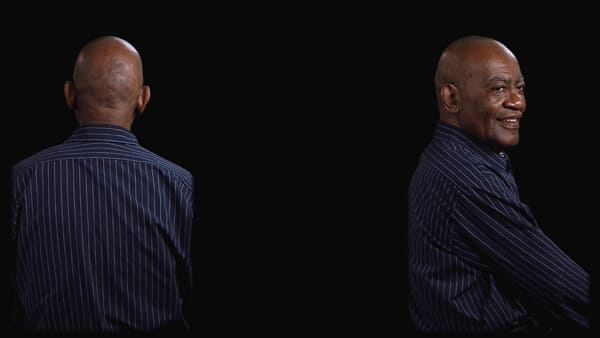
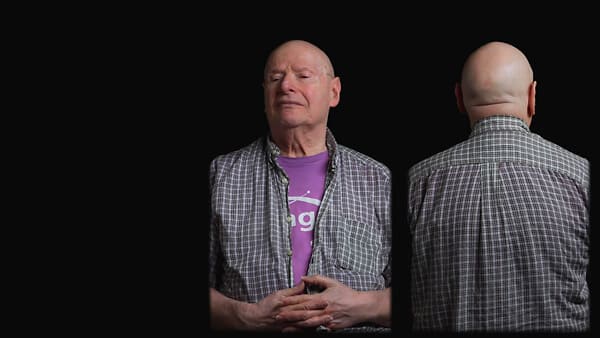
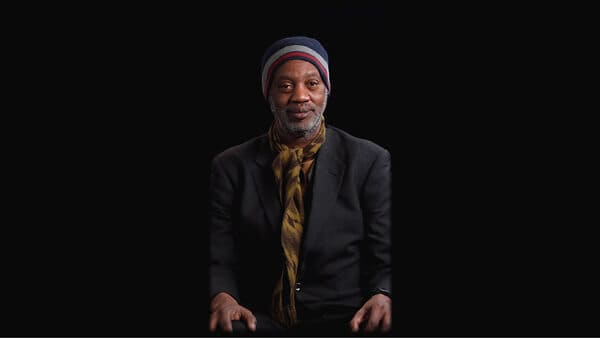
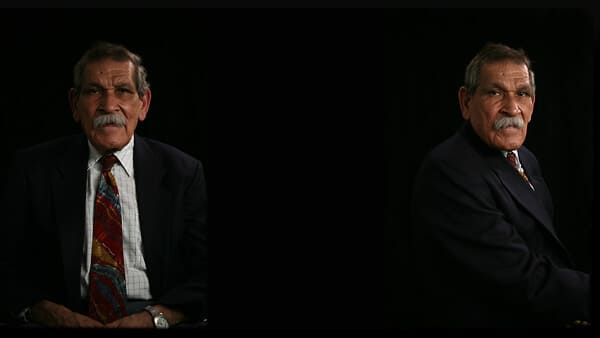
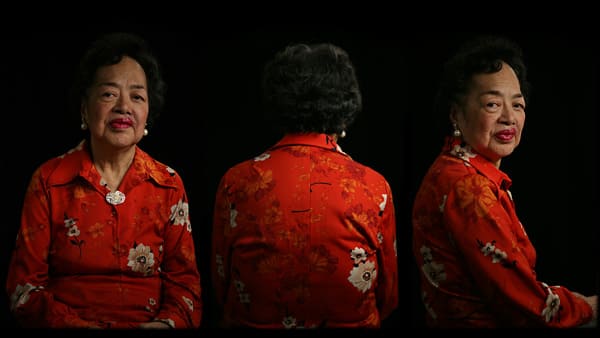
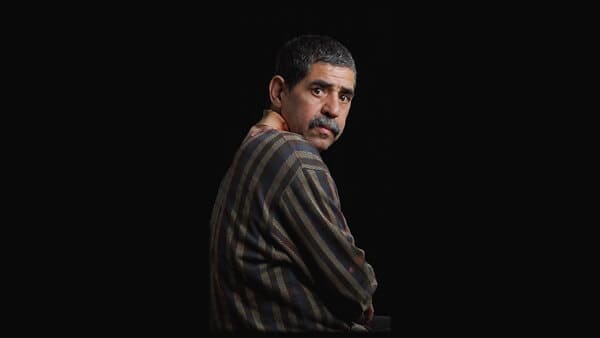
An Album: Hudson Guild
Single channel video
31:40 loop, 5.1 Sound, HD
Site specific screening at SVA theater, New York, 2011
Commissioned by More Art, New York.
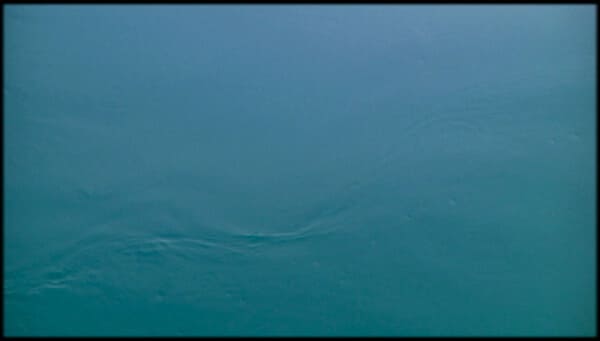
Mirror of Wind
Mirror of Wind
Mirror of Wind │ 바람의 거울
Single Channel Video
4:08 loop, Silent
Edition of 6 plus 1 artist's proof
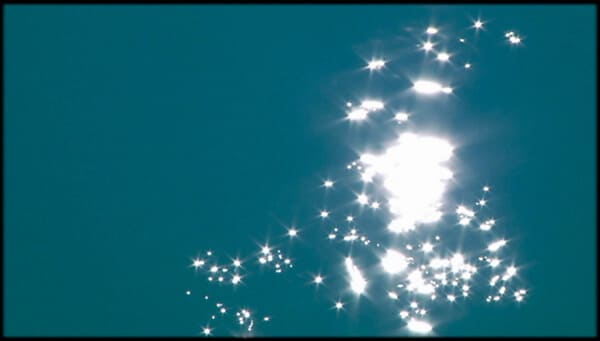
Mirror of Air
Mirror of Air
Mirror of Air │ 공기의 거울
Single Channel Video
2:39 loop, Silent
Edition of 6 plus 1 artist's proof

Mirror of Water
Mirror of Water
Mirror of Water │ 물의 거울
Single Channel Video
7:25 loop, Silent
Edition of 6 plus 1 artist's proof
Thread Routes Chapter I – Lightwaves
Thread Routes Chapter I – Lightwaves
Thread Routes Chapter I – Lightwaves │ 실의 궤적 제 1장 – 빛의 파장
Single Chanel Video
29:31 loop, Sound, HD
Edition of 6 plus 1 artist's proof
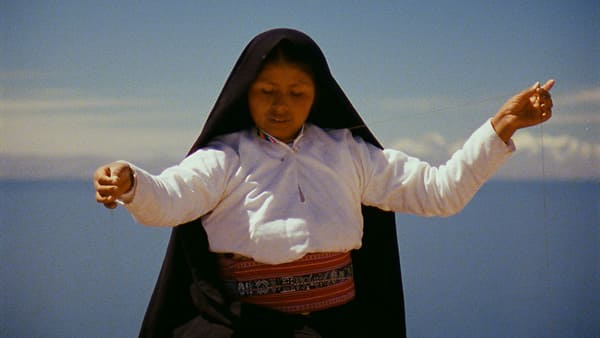
Thread Routes – Chapter I
Thread Routes – Chapter I
Thread Routes – Chapter I │ 실의 궤적 – 제 1장
Single Channel Video
24:52 loop, 5.1 Sound, HD
Edition of 6 plus 1 artist's proof
Thread Routes is Kimsooja’s first 16mm film series, after having spent more than three decades contextualizing and conceptualizing textiles as a canvas that supports a structural investigation of human life, nature and the world.
While contemporary art has long considered textiles as craft, Kimsooja has consistently sought to connect the nature of textiles to the performative, the sculptural/architectural, the notion of tableau and questions of gender, aesthetics and culture.
Divided into six chapters, Thread Routes takes place in six different cultural zones around the world. Kimsooja considers her approach as a 'visual poem' and a 'visual anthropology' in juxtaposing and presenting structural similarities in performative elements of textile culture with the structures in nature, architecture, agriculture and gender relationships in different cultures. These non-descriptive and non-narrative documentary films were conceived after being inspired in Bruge, Belgium in 2002, by traditional lace making, and its performative elements and architectural structure.
–
The first chapter, completed in 2010, is of the Peruvian weaving culture that is closely aligned with its landscapes and historic archeological structures. This piece journeys throughout the country, from the Sacred Valley around Cusco, and Machu Picchu, to the Tequila Island villages forming a non-linier timeline of the inseparable connection between the people to their geographical environment.
〈실의 궤적〉은 인간의 삶, 자연, 세계의 구조를 탐구하는 회화적 장(場)으로서 텍스타일을 30여 년에 걸쳐 맥락화하고 개념화해 온 이후, 김수자가 처음으로 제작한 16mm 필름 연작이다. 동시대 미술이 오랫동안 텍스타일을 공예로 간주해 왔음에도 김수자는 텍스타일의 본질을 퍼포머티브한 차원, 조각·건축적 차원, 타블로(tableau)의 개념, 그리고 젠더·미학·문화에 대한 질문들과 지속적으로 연결해 왔다.
여섯 개의 장으로 구성된 〈실의 궤적〉은 전 세계 여섯 개의 서로 다른 문화권을 배경으로 제작되었다. 김수자는 이 접근을 ‘시각적 시(visual poem)’이자 ‘시각적 인류학(visual anthropology)’으로 간주하며, 텍스타일 문화의 퍼포먼스적 요소들이 자연, 건축, 농경, 젠더 관계의 구조들과 지니는 형식적 유사성을 병치해 제시한다. 이 비서사적이고 비서술적인 다큐멘터리 필름들은 2002년 벨기에 브뤼헤에서 전통 레이스 제작과 그 퍼포먼스적·건축적 구조를 목격한 경험에서 영감을 받아 구상되었다.
–
Chapter I (2010) — 페루
2010년에 완성된 첫 번째 챕터는 페루의 직조 문화를 다루며, 그 문화가 지역의 풍경과 고대 고고학적 구조물과 긴밀히 맞물려 있음을 보여준다. 이 작품은 쿠스코 주변의 성스러운 계곡(Sacred Valley)과 마추픽추, 그리고 티킬라 섬 마을들에 이르기까지 나라 전역을 가로지르며, 사람들과 그들이 살아온 지리적 환경 사이의 분리될 수 없는 관련성을 비선형적 시간의 흐름 속에서 드러낸다.
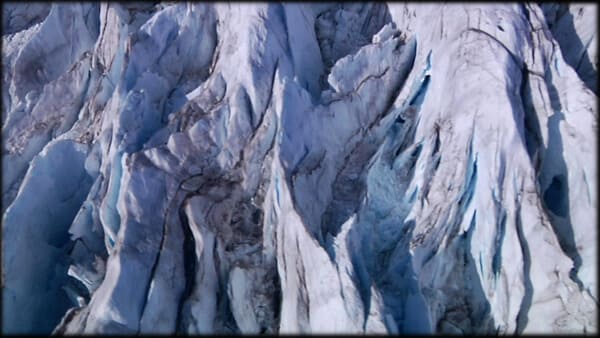
Earth - Water - Fire - Air : Agua de Aire / Water of Air
Earth - Water - Fire - Air : Agua de Aire / Water of Air
Earth - Water - Fire - Air: Agua de Aire / Water of Air │ 지-수-화-풍: 공기의 물
Single Channel Video
6:18 loop, Sound
Edition of 6 plus 1 artist's proof
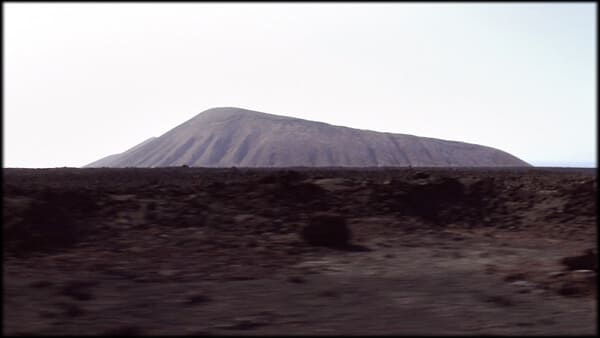
Earth - Water - Fire - Air : Fuego de Tierra / Fire of Earth
Earth - Water - Fire - Air : Fuego de Tierra / Fire of Earth
Earth - Water - Fire - Air: Fuego de Tierra / Fire of Earth │ 지-수-화-풍: 대지의 불
Single Channel Video
9:22 loop, Silent
Edition of 6 plus 1 artist's proof
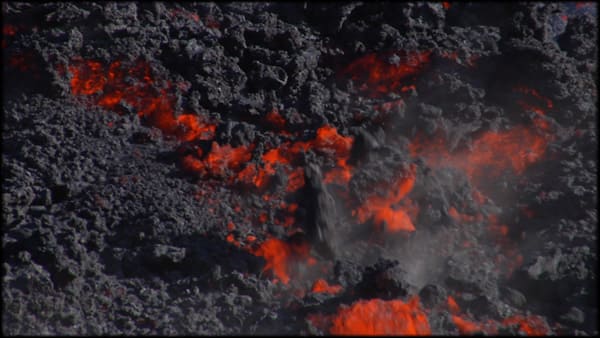
Earth - Water - Fire - Air : Aire de Tierra / Air of Earth
Earth - Water - Fire - Air : Aire de Tierra / Air of Earth
Earth - Water - Fire - Air: Aire de Tierra / Air of Earth │ 지-수-화-풍: 대지의 공기
Single Channel Video
6:25 loop, Sound
Edition of 6 plus 1 artist's proof
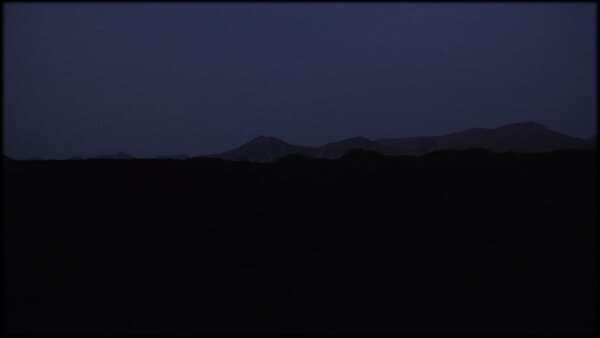
Earth - Water - Fire - Air : Agua de Tierra / Water of Earth
Earth - Water - Fire - Air : Agua de Tierra / Water of Earth
Earth - Water - Fire - Air: Agua de Tierra / Water of Earth │ 지-수-화-풍: 대지의 물
Single Channel Video
5:42 loop, Silent
Edition of 6 plus 1 artist's proof
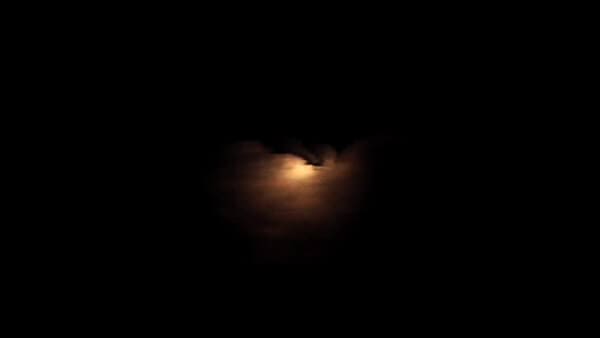
Earth - Water - Fire - Air : Fuego de Aire / Fire of Air
Earth - Water - Fire - Air : Fuego de Aire / Fire of Air
Earth - Water - Fire - Air: Fuego de Aire / Fire of Air │ 지-수-화-풍: 공기의 불
Single Channel Video
8:00 loop, Silent
Edition of 6 plus 1 artist's proof

Earth - Water - Fire - Air : Aire de Agua / Air of Water
Earth - Water - Fire - Air : Aire de Agua / Air of Water
Earth - Water - Fire - Air: Aire de Agua / Air of Water │ 지-수-화-풍: 물의 공기
Single Channel Video
6:07 loop, Sound
Edition of 6 plus 1 artist's proof
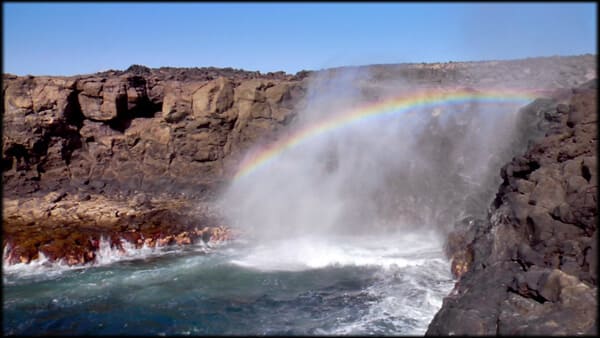
Earth - Water - Fire - Air : Aire de Fuego / Air of Fire
Earth - Water - Fire - Air : Aire de Fuego / Air of Fire
Earth - Water - Fire - Air: Aire de Fuego / Air of Fire │ 지-수-화-풍: 불의 공기
Single Channel Video
3:47 loop, Sound
Edition of 6 plus 1 artist's proof
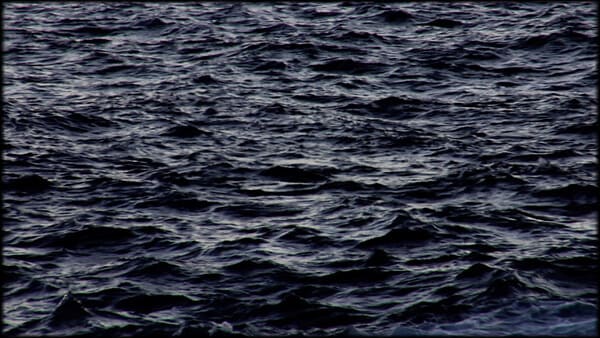
Earth - Water - Fire - Air : Tierra de Agua / Earth of Water
Earth - Water - Fire - Air : Tierra de Agua / Earth of Water
Earth - Water - Fire - Air: Tierra de Agua / Earth of Water │ 지-수-화-풍: 물의 대지
Single Channel Video
6:57 loop, Silent
Edition of 6 plus 1 artist's proof
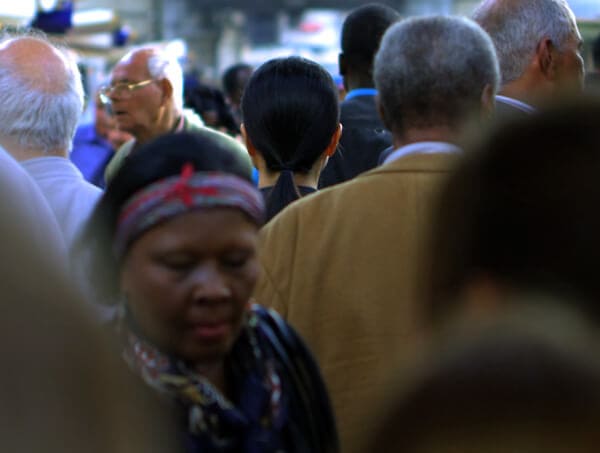
A Needle Woman – Paris
A Needle Woman – Paris
A Needle Woman – Paris │ 바늘여인 – 파리
Performance Video
Single Channel, 25:00 loop, Silent, HD
Edition of 6 plus 1 artist's proof
Performed and filmed in Paris, 2009, Commissioned by Nuit Blanche Paris 2009

An Album: Hudson Guild
An Album: Hudson Guild
An Album: Hudson Guild │ 앨범: 허드슨 길드
Single Channel Video
31:40 loop, 5.1 Sound, HD
Edition of 6 plus 1 artist's proof
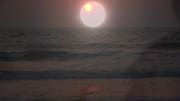
A Mirror Woman: The Sun & The Moon
A Mirror Woman: The Sun & The Moon
A Mirror Woman: The Sun & The Moon │ 거울여인 – 해와 달
4 Channel Video
12:33 loop, Sound
Edition of 6 plus 1 artist's proof
This project was possible with the generous support of Shiseido Co., Ltd.
This landscape image is drawn from a video work Kimsooja filmed on the coast of Goa in India. The rising and setting of the sun and the moon, their constant motion in concert with the ocean tide, demonstrate the balance and interdependent cycle of nature. When the artist saw the two opposing celestial bodies at the same time she superimposed the two, allowing for their synchronous alignment to eclipses the reality as we know it. The spheres shaped by earth, water, and human hands resonate with the cosmic orbit of the Earth, the Moon, and the Sun.
이 풍경 이미지는 김수자가 인도 고아 해안에서 촬영한 영상 작업에서 가져온 것이다. 태양과 달의 상승과 하강, 그리고 조수(潮水)와 더불어 이루어지는 그들의 끊임없는 운동은 자연이 이루어내는 균형과 상호의존적 순환을 보여준다. 작가는 서로 반대 방향에 위치한 두 천체가 동시에 보이는 순간을 목격하고 이 두 이미지를 겹쳐 배치함으로써 우리가 알고 있는 현실의 질서를 잠시 가리는, 동시적인 정렬의 순간을 작품화하였다. 흙과 물, 그리고 인간의 손에 의해 형성된 이 구체는 지구·달·태양이 이루는 우주적 궤도와 공명한다. 이는 자연과 인간, 물질과 우주의 관계를 사유하도록 이끄는 조형적 은유이자 김수자 작업의 핵심 주제인 순환·호흡·존재의 본질을 다시금 일깨운다.
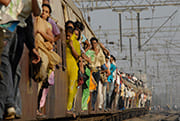
Mumbai: A Laundry Field
Mumbai: A Laundry Field
Mumbai: A Laundry Field │ 뭄바이 – 빨래터
4 Channel Video
10:25 loop, Sound
Edition of 6 plus 1 artist's proof