Category
More
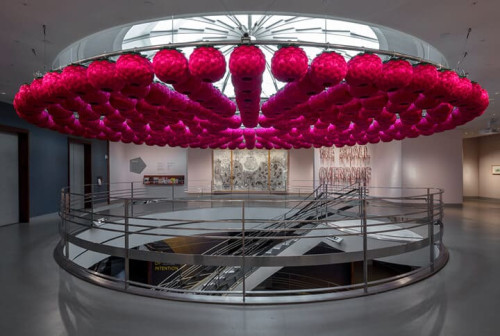
Lotus: Zone of Zero, 2003/2019
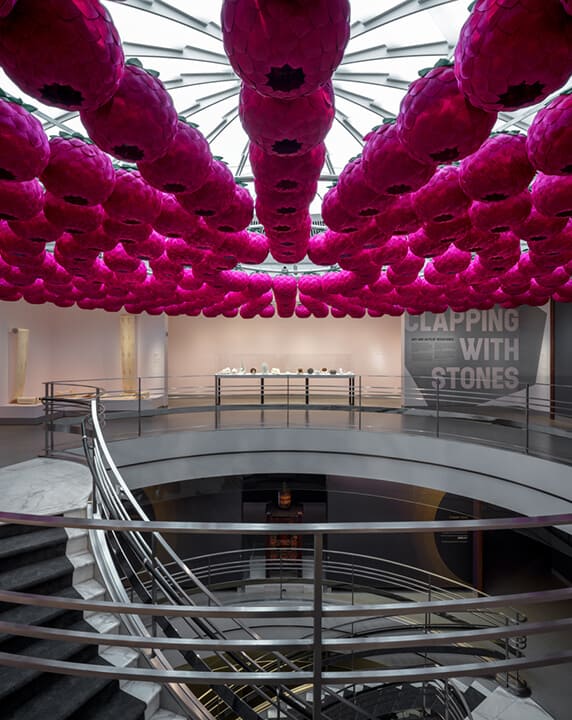
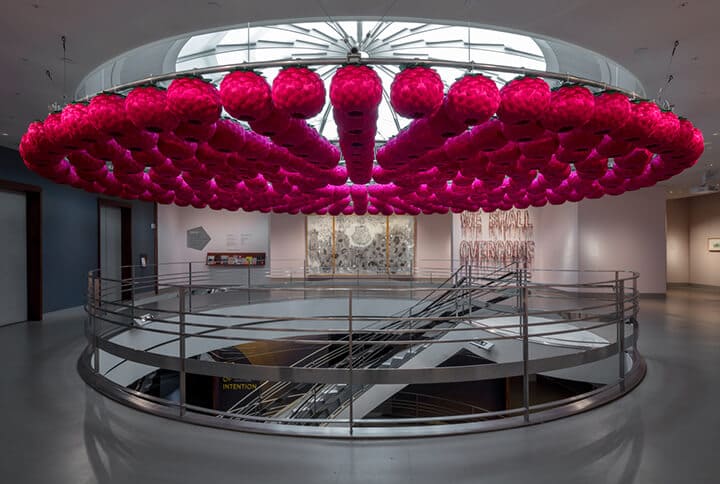
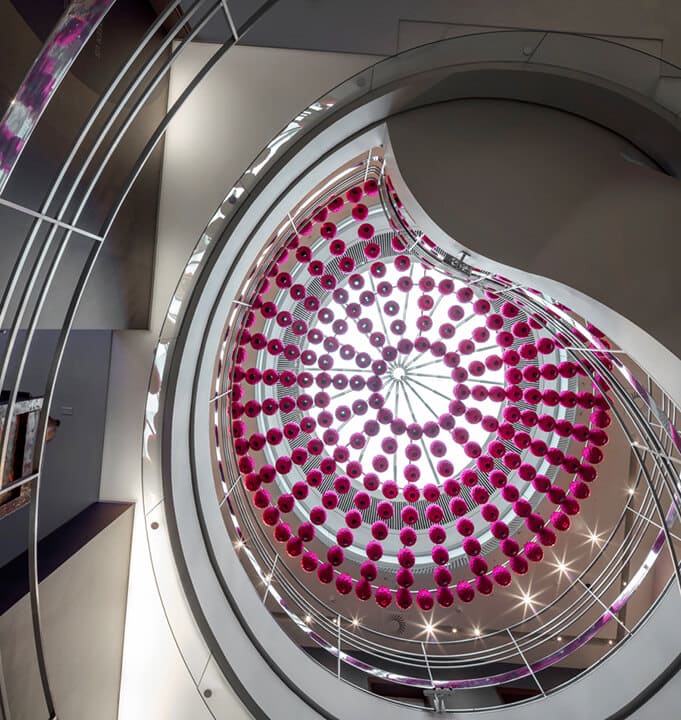
Lotus: Zone of Zero, 2003/2019
Installation at Group Exhibition Clapping with Stones: Art and Acts of Resistance The Rubin Museum of Art, New York, USA
First exhibited in a different configuration at the Palais Rameau, Lille, 2003, Courtesy Dijon Consortium
Photos by David De Armas
Lotus: Zone of Zero
2003/2019, Site-specific Installation Consisting of 272 Lotus Lanterns, Tibetan, Gregorian, and Islamic Chants, Steel Structure and Cables
Dimensions Variable
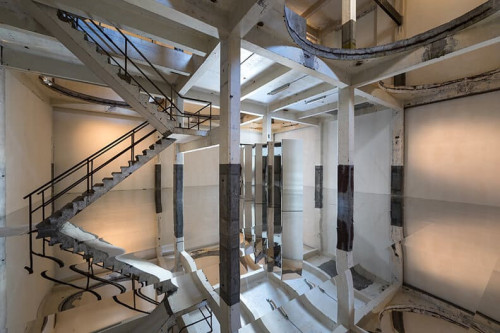
Gazing into Sphere
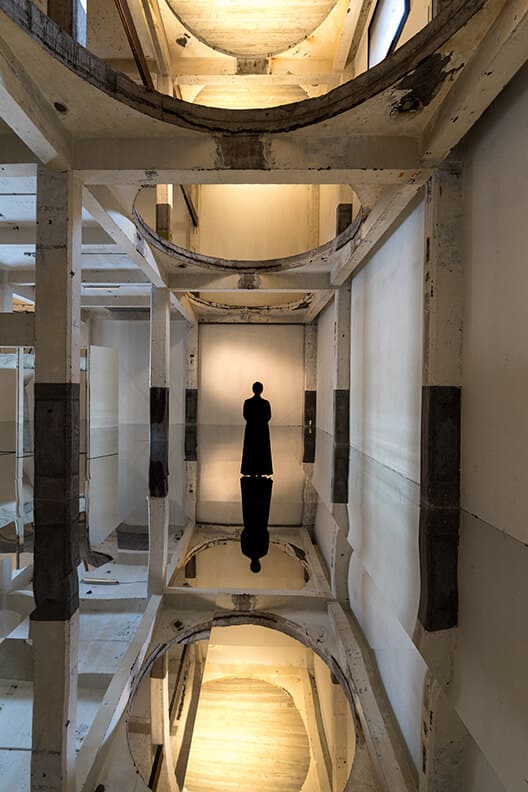
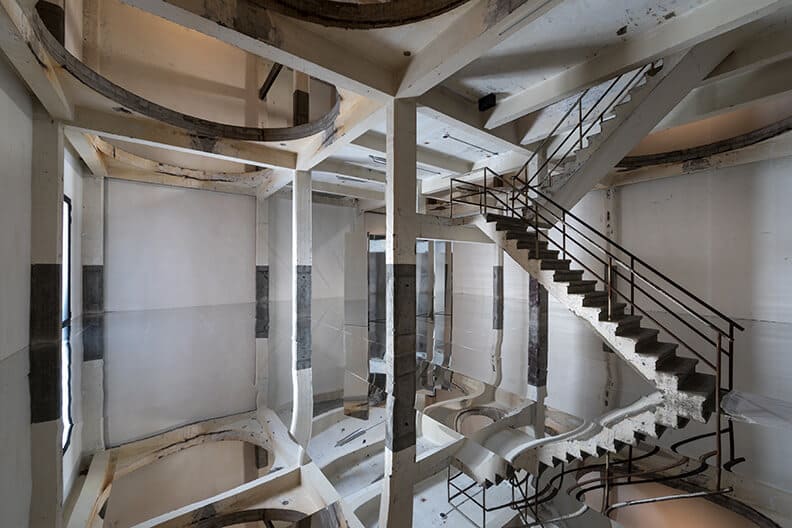
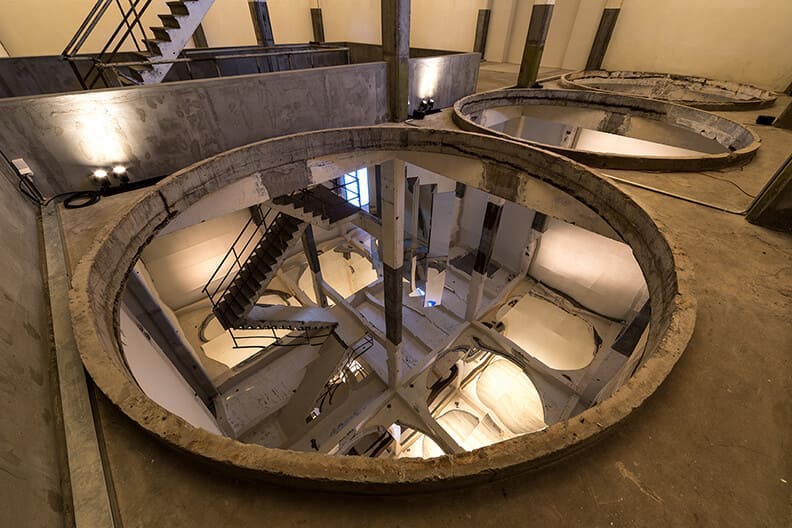
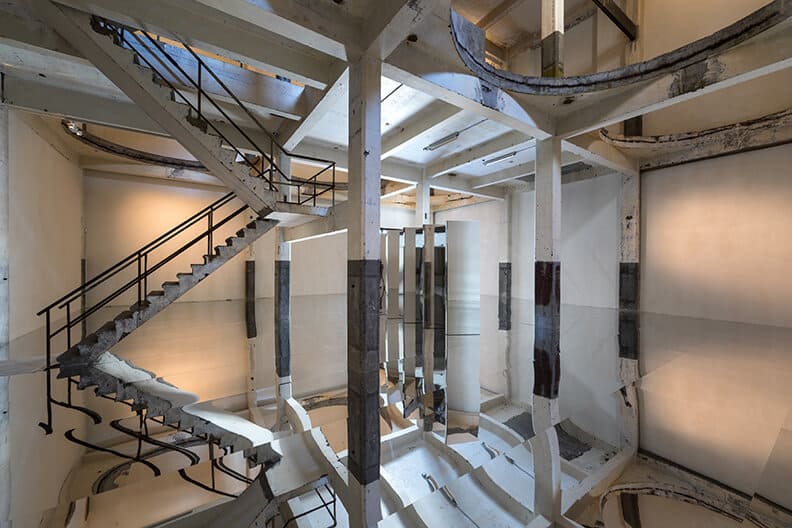
Gazing into Sphere
Installation at Solo Exhibition Gazing Into Sphere, Axel Vervoordt Gallery, Antwerp, Belgium
Photo by Sebastian Schutyser
Gazing into Sphere
Site-specific Installation with mirrors, Waveform Audio Unfolding Sphere(2016)
Courtesy of Culture City of East Asia 2017, Axel Vervoordt, Wijnegem, and Kimsooja Studio
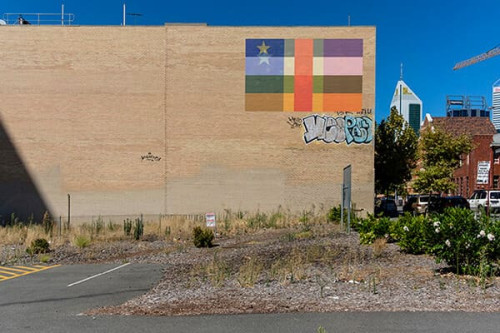
To Breathe – The Flags
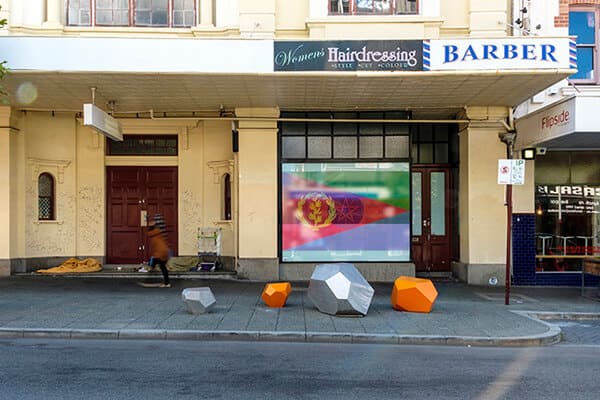
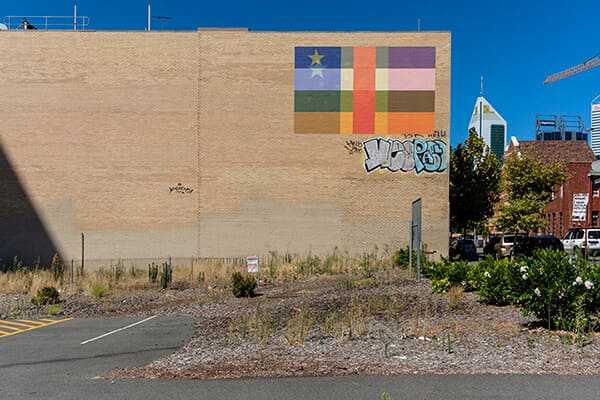
To Breathe – The Flags
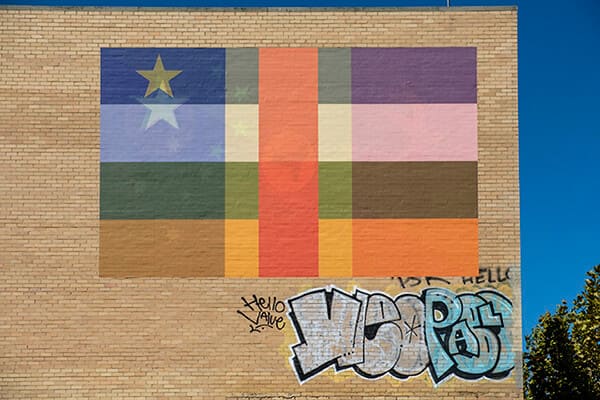
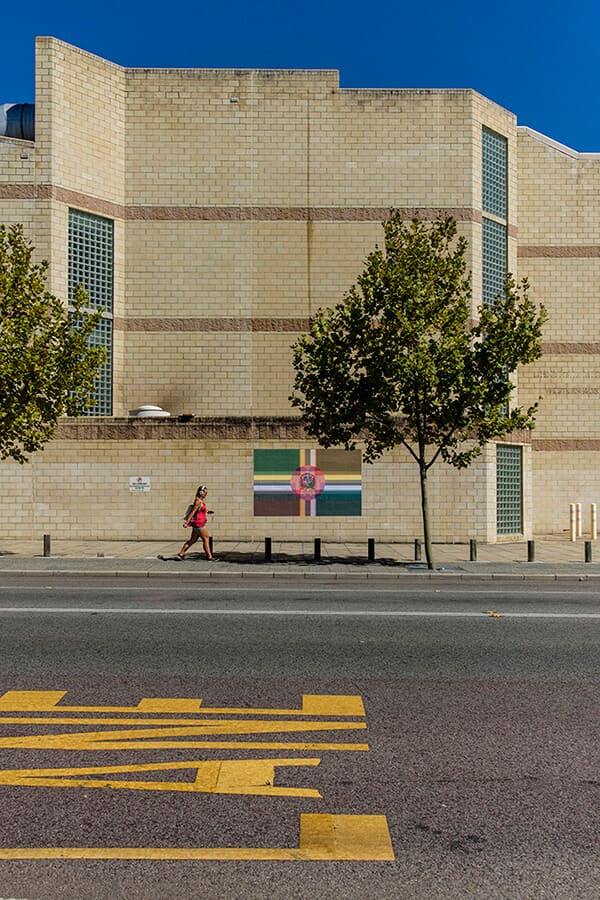
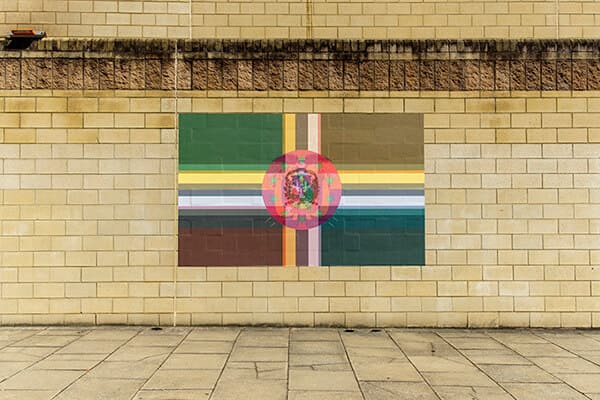
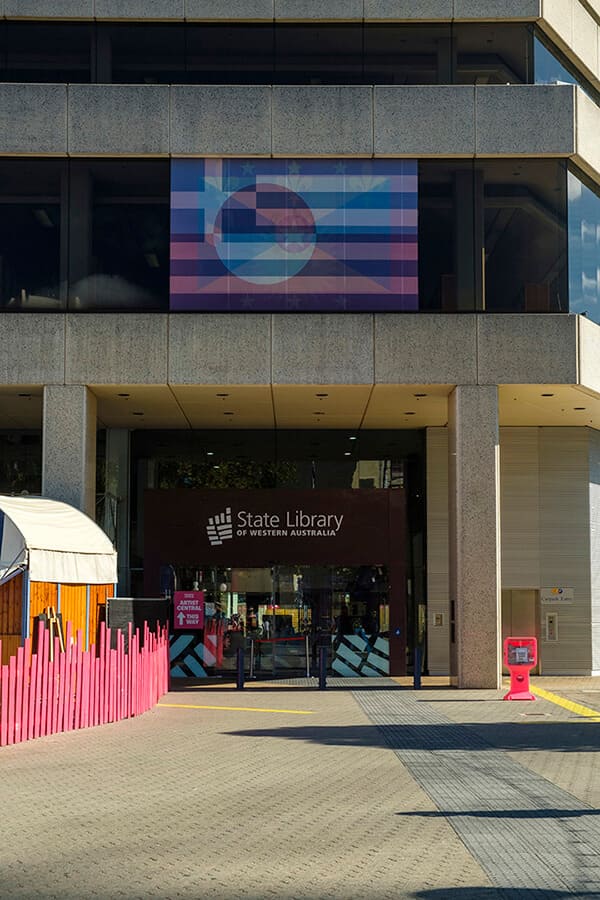
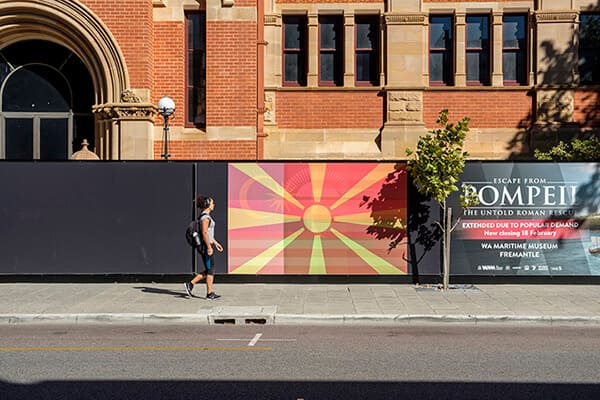
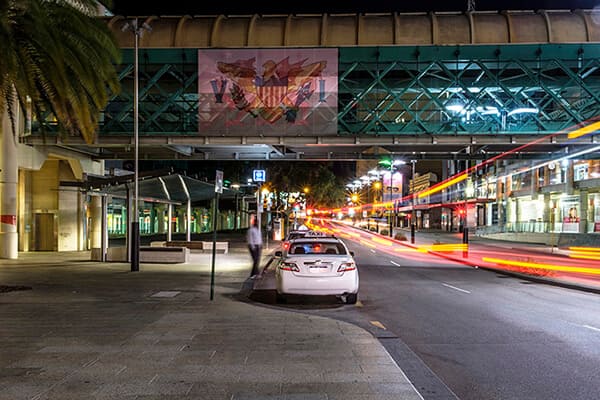
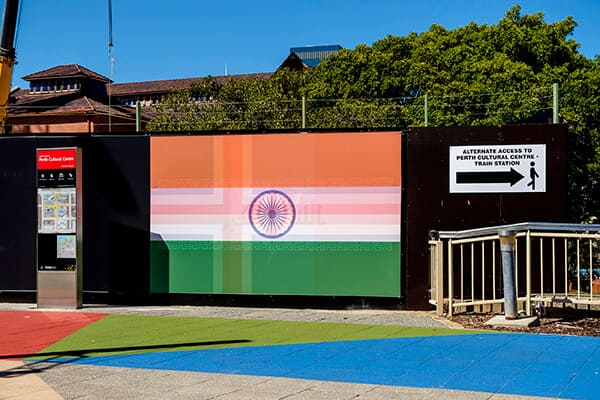
To Breathe – The Flags is a series of site specific print installations for the Perth International Arts Festival Visual Arts Tour 2017, Perth, Australia. The installation was developed in tandem with he artist’s first Australian solo exhibition Zone of Nowhere. The exhibition featured a new, awe-inspiring installation of 30 large translucent flags suspended above PICA’s central gallery space, drawing upon her previous artwork commission by the International Olympic Committee for the London 2012 Summer Olympics.
The exhibition extends beyond the walls of PICA, with the same colorful layered flags appearing on public facades throughout Northbridge and the Perth CBD. The flags, at such a monumental size, placed in the most central parts of Perth, produce an inescapable encounter despite their imaginary status.
Installation for the Perth Festival, Perth, Australia
Photo by Alessandro Bianchetti
To Breathe – The Flags
2017, series of site specific print installations for the Perth International Arts Festival Visual Arts Tour 2018, Perth, Australia. Courtesy of Trish Clark Gallery, Auckland, Perth Institute of Contemporary Arts, Perth and Kimsooja Studio
Encounter – A Mirror Woman
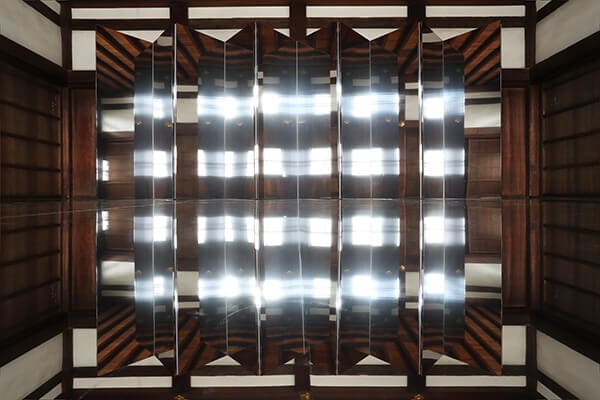
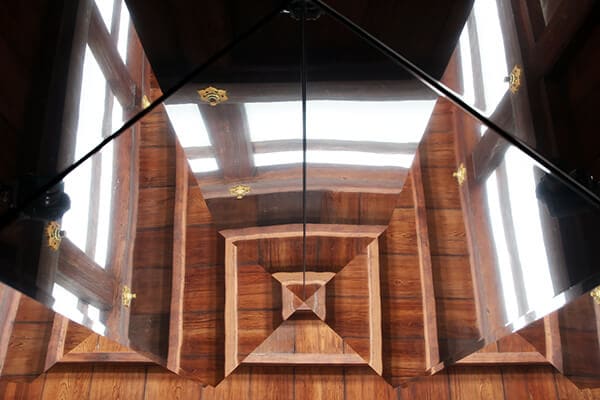
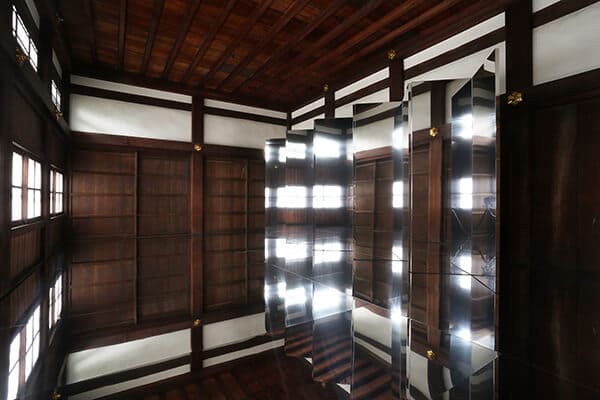
Encounter – A Mirror Woman
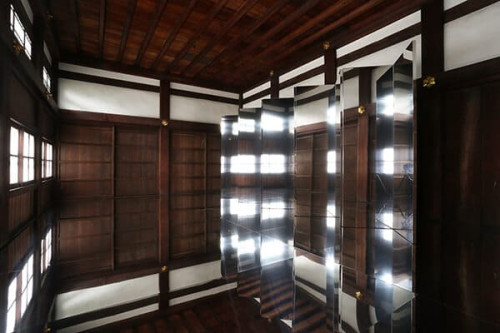
Site-specific Installation at Culture City of East Asia 2017 Kyoto: Encounter - A Mirror Woman, Nijo Castle, Kyoto, Japan
Encounter – A Mirror Woman
Site-specific Installation consisting of mirror screen and mirror floor panels, installation view at Nijo Castle, Kyoto, Japan
Courtesy of Culture City of East Asia 2017, Kyoto and Kimsooja Studio
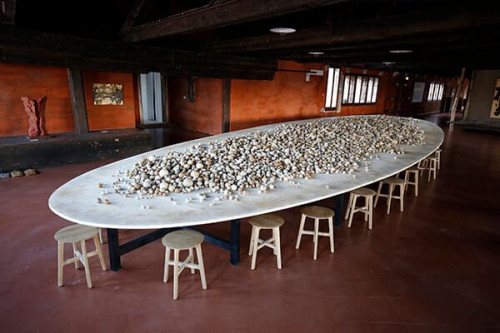
Archive of Mind, 2016/2017
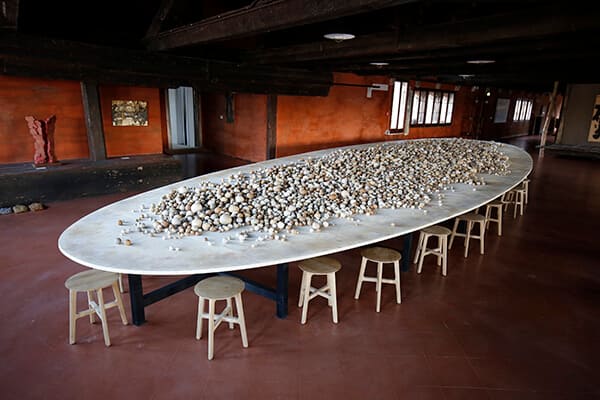
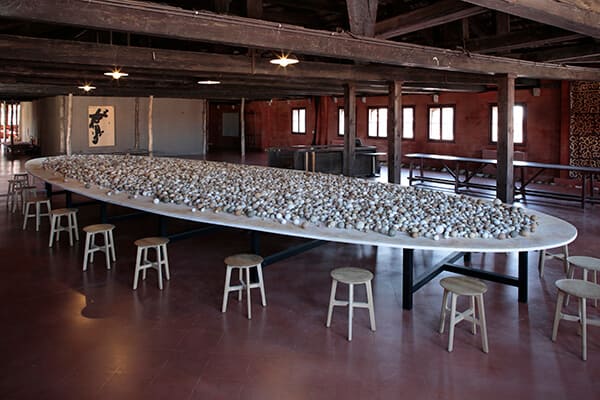
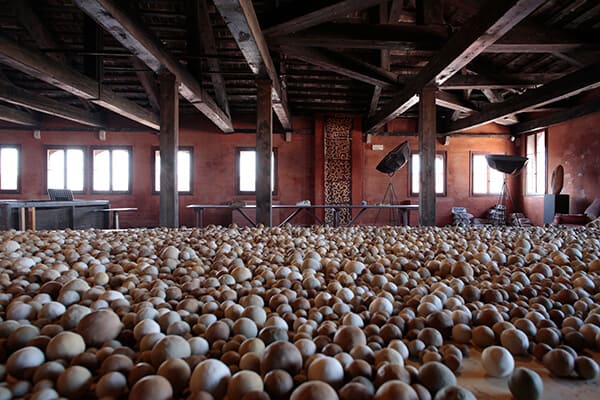
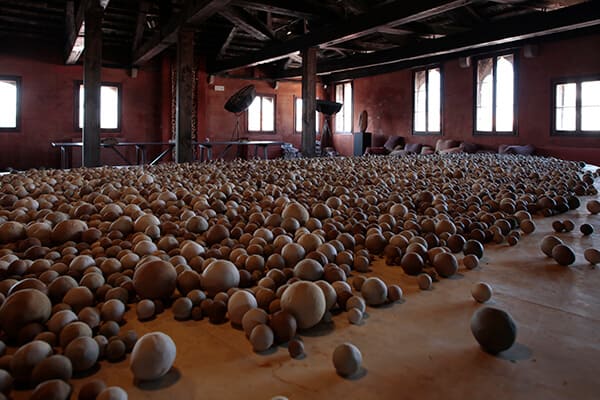
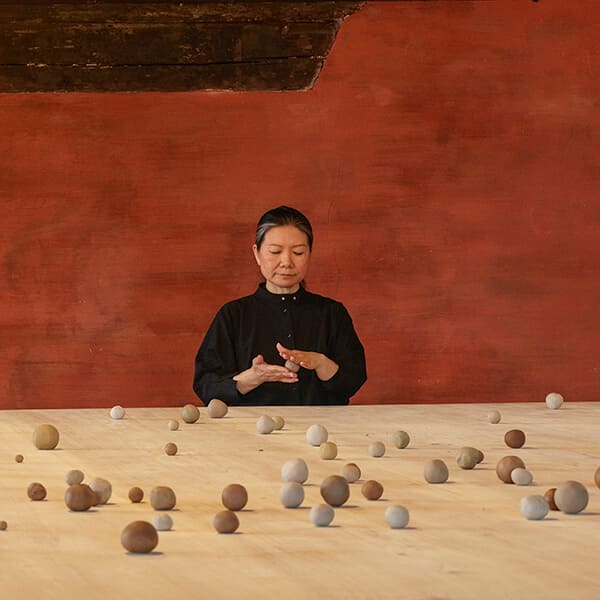
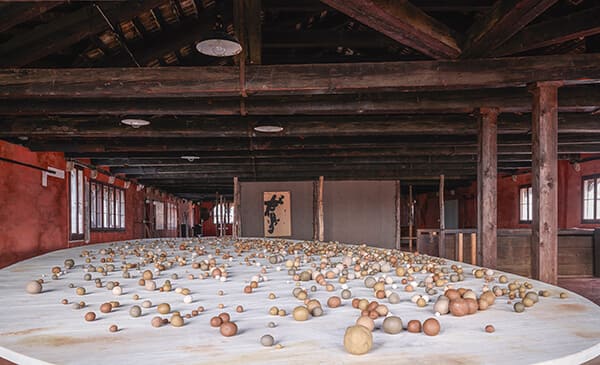
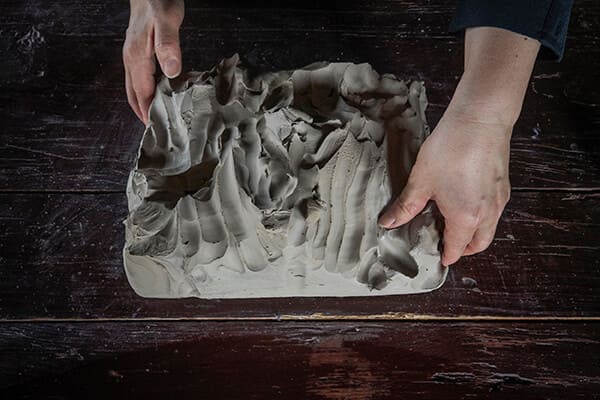
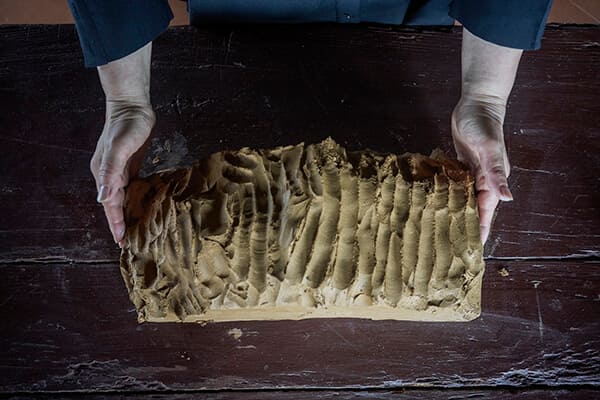
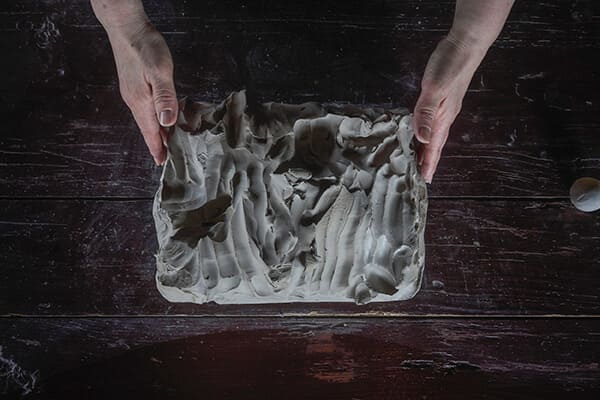
Archive of Mind, 2016/2017
Installation View at Group Exhibition Intuition, Palazzo Fortuny, Venice, Itally
First exhibited in a different configuration at the the Kimsooja, Archive of Mind, National Museum of Modern and Contemporary Art, Korea(MMCA), Seoul, Korea
Photo by Georg Malfertheiner
Archive of Mind
2016/2017, Participatory Site-specific Installation Consisting of Assorted Clay Balls, Elliptical Wooden Table, and sound performance Unfolding Sphere(2016), Dimensions Variable
Courtesy of Axel Vervoordt Gallery, Antwerp and Kimsooja Studio
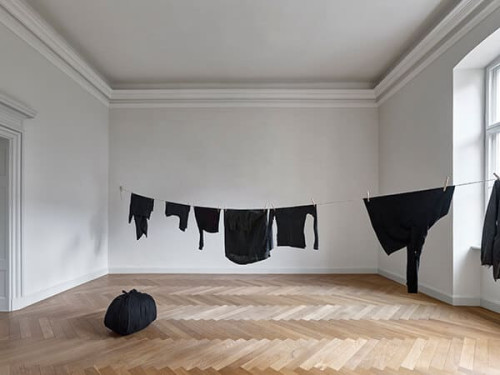
A Laundry Woman
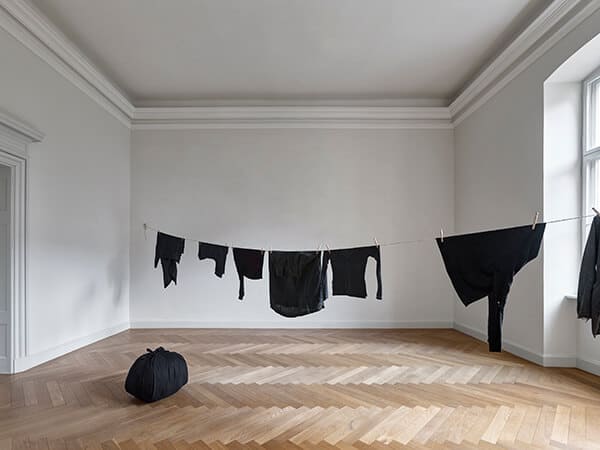
A Laundry Woman
Site-specific Installation Consisting of Used artist's clothing, Clothesline, Clothespins, and Black Bottari
Photo by Stefan Müller
Installation View at Kimsooja: Geometry of Breath, Kewenig Gallery, Berlin, Germany
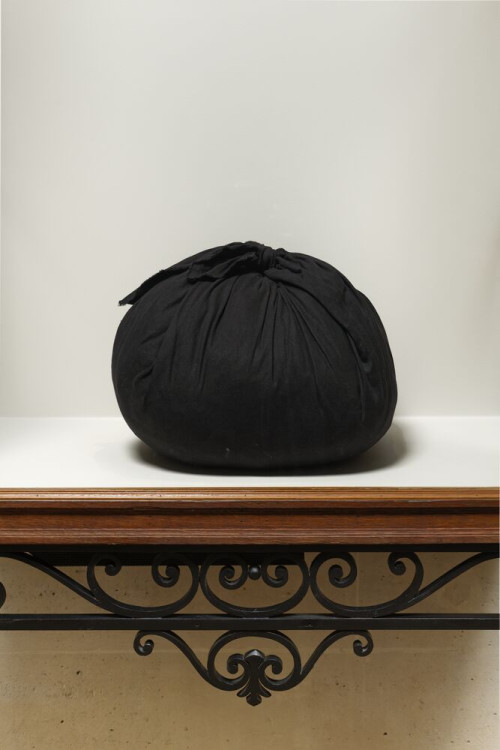
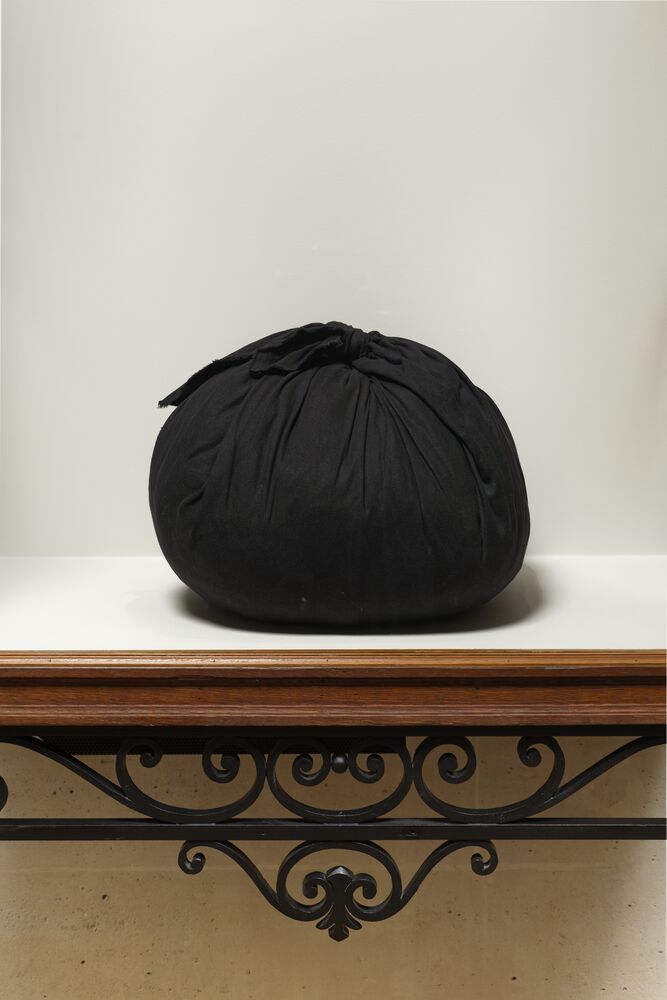
Bottari
Bottari
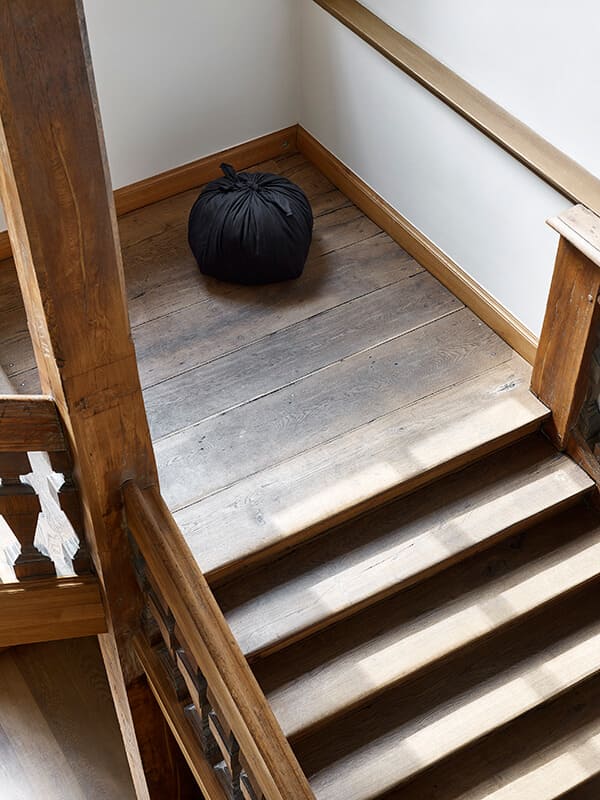
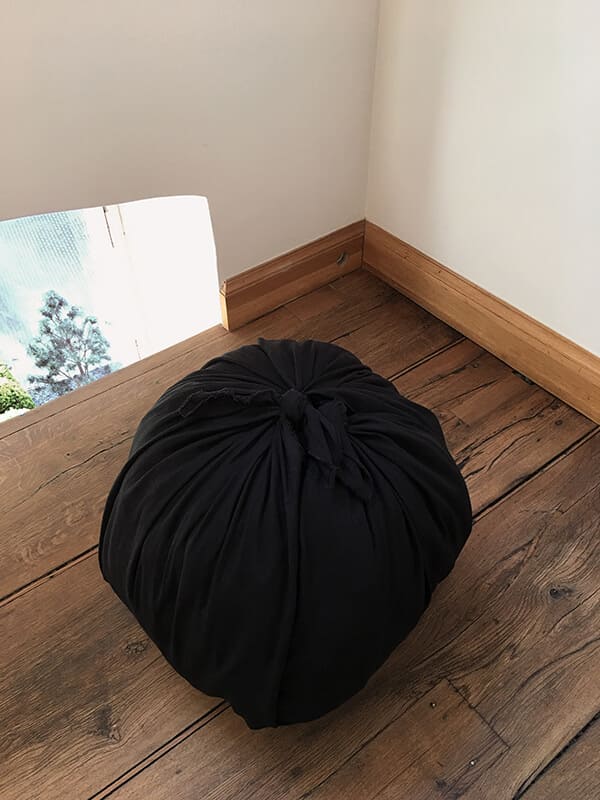
Bottari, 2017
Draps coréens de seconde main, vêtements de seconde main / Used black bedcover, used clothing
Courtesy Kimsooja Studio et KEWENIG, Berlin
–
Bottari, a bundle of fabric that exemplifies a traditional way of wrapping personal belongings for departure, is integral not only to Korean life, but across different cultures. Though Kimsooja often makes bottari out of used bedcovers of newlyweds characterized by bright colors and symbols for good wishes, here it is reimagined in black. Using a neutral-colored fabric, she focuses our attention to its formal aspect, where a flat canvas surface transforms into a sculptural object through the act of tying a single knot. The fabric’s physical structure allows for this translation from one dimension to another. Kimsooja redefines bottari from a domestic mode of transport into a ready-used, multi-dimensional object that is conceptually expansive and embraces totality.
보따리는 떠남을 앞두고 개인의 소지품을 천으로 싸서 묶는 전통 방식 중 하나로, 한국뿐 아니라 여러 문화권에서 중요한 생활양식으로 존재해 왔다. 김수자는 흔히 신혼부부의 침구처럼 밝은 색채와 길상적 상징을 지닌 헌 패브릭을 사용해 보따리를 제작해왔지만, 이 작품에서는 검은색으로 새롭게 재구성하였다. 중성적 색감의 천을 사용함으로써 한 번의 매듭을 통해 캔버스적 평면이 입체적 오브제로 전환되는 형식적 측면에 주목하게 하였으며, 이로써 천의 물리적 구조가 차원 이동을 가능하게 하는 매개가 되도록 하였다. 김수자는 보따리를 더 이상 가정적 운반 방식이 아닌, 이미 사용된 삶의 흔적을 품으면서도 다차원적으로 확장되는 개념적 조형물, 더 나아가 전체성을 포용하는 사유의 장으로 재정의한다.
View of the exhibition To Breathe – Constellation, Bourse de Commerce – Pinault Collection, Paris, 2024.
© Tadao Ando Architect & Associates, Niney et Marca Architectes, agence Pierre-Antoine Gatier.
Photo: Aurélien Mole / Pinault Collection.
© Kimsooja/ADAGP, Paris, 2024.
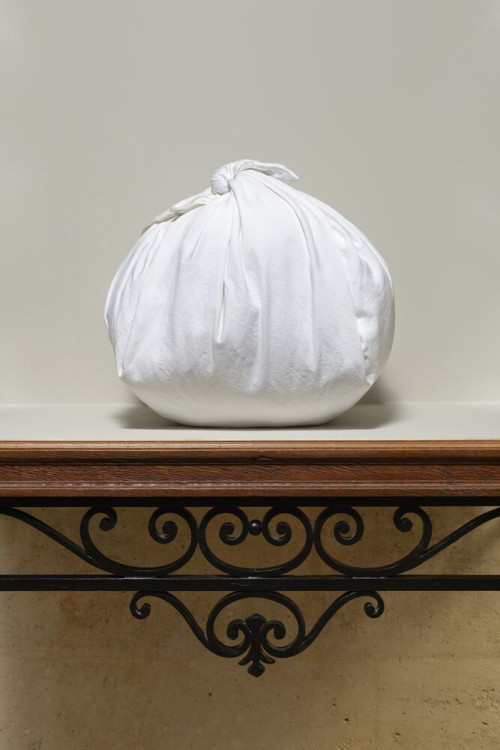
Bottari
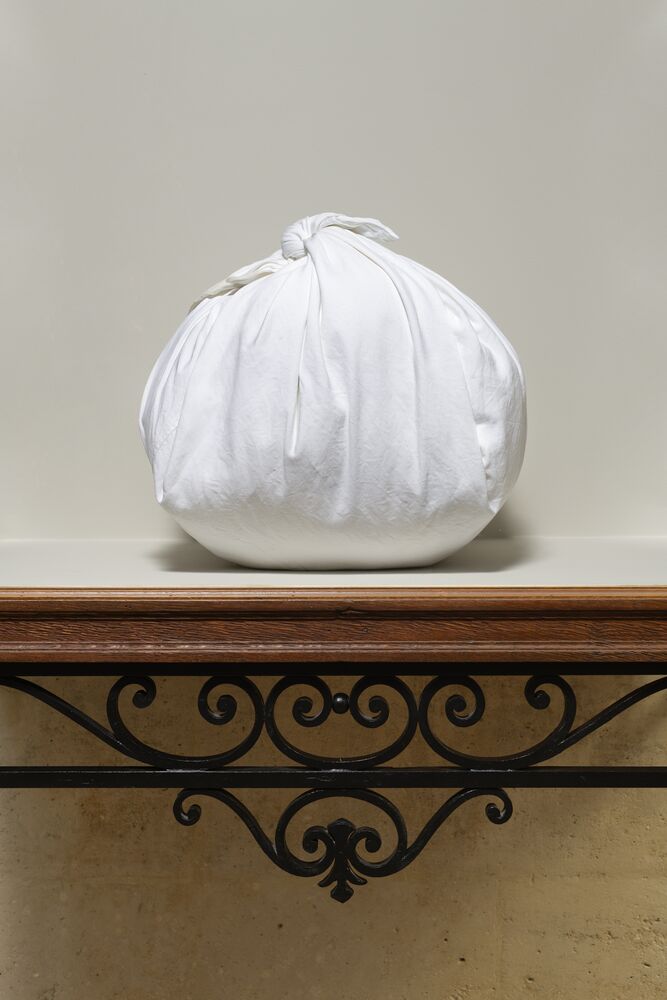
Bottari
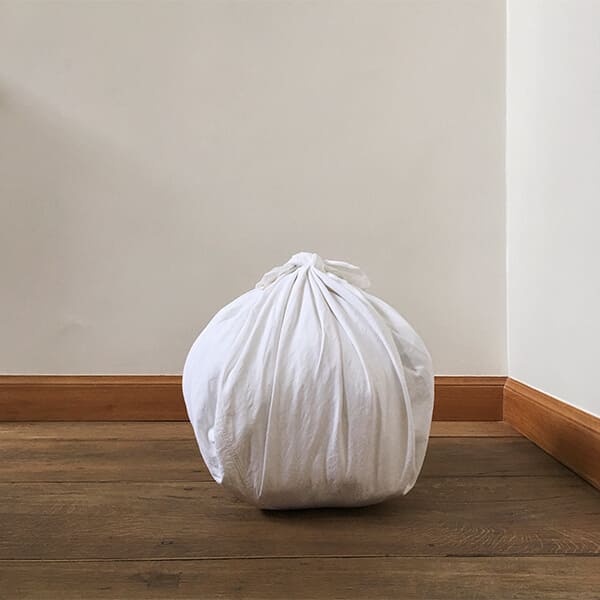
Bottari, 2017
Used white bedcover, used clothing and belongings from late Michael O. Kewenig
Courtesy Kimsooja Studio et KEWENIG, Berlin
–
The artist made this bottari in memory of the late Michael O. Kewenig at the time of his passing in 2017, which came at the same time as the artist’s solo show at his gallery, titled Geometry of Breath. It encloses his personal belongings, such as his clothes, shoes, and glasses inside his bedsheet. Kimsooja wraps her bottari in used bedcovers as a way of addressing the site where one is born, dreams, loves, suffers, and dies. It is a frame of life, a life painting we are born into and leave behind.
이 보따리 작업은 2017년 마이클 O. 케베니히(Michael O. Kewenig)가 세상을 떠났을 때, 그를 추모하기 위해 만든 것이다. 김수자의 개인전 〈숨의 기하학〉이 그의 갤러리에서 열리던 기간은 그의 작고 시기와 맞물렸다. 보따리 안에는 마이클 O. 케베니히 의 옷, 신발, 안경 등 개인 소지품이 그의 침구에 싸인 채 담겨 있다. 김수자는 사용되던 침구로 보따리를 감싸는 방식을 통해, 인간이 태어나고, 꿈꾸고, 사랑하고, 고통받고, 죽음에 이르기까지의 삶의 자리를 다루고자 했다. 그것은 우리가 태어나 맞이하고, 떠날 때 남겨두는 삶의 틀, 생의 회화라고 할 수 있다.
View of the exhibition To Breathe – Constellation, Bourse de Commerce – Pinault Collection, Paris, 2024.
© Tadao Ando Architect & Associates, Niney et Marca Architectes, agence Pierre-Antoine Gatier.
Photo: Aurélien Mole / Pinault Collection.
© Kimsooja/ADAGP, Paris, 2024.
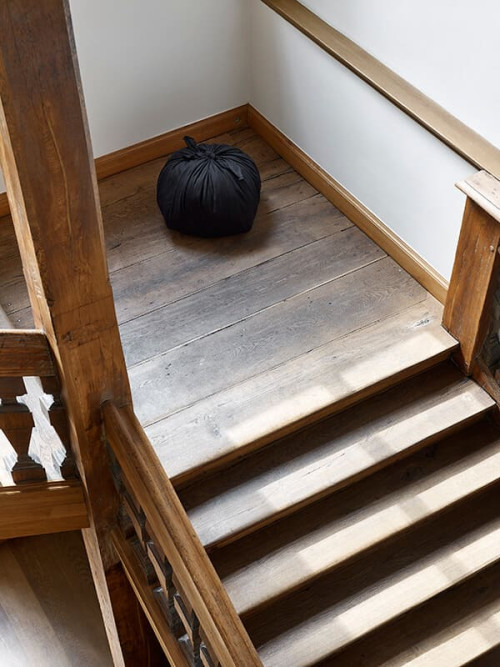
Bottari
Bottari
Black Bedcover and Used Clothing, 48 x 57(dia) cm
White Bedcover and Used Clothing from Michael Kewenig, 48 x 57(dia) cm
Installation View at Kimsooja: Geometry of Breath, Kewenig Gallery, Berlin, Germany
Lotus: Zone of Zero
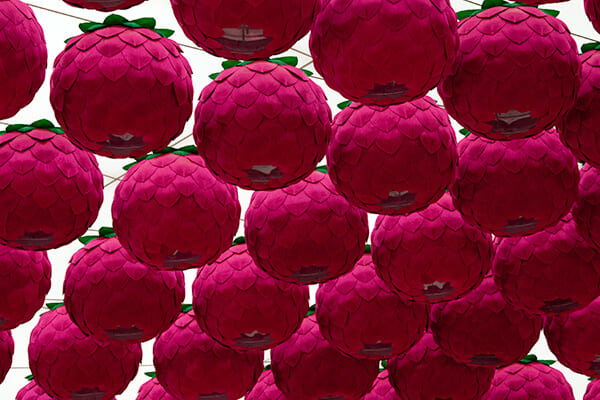
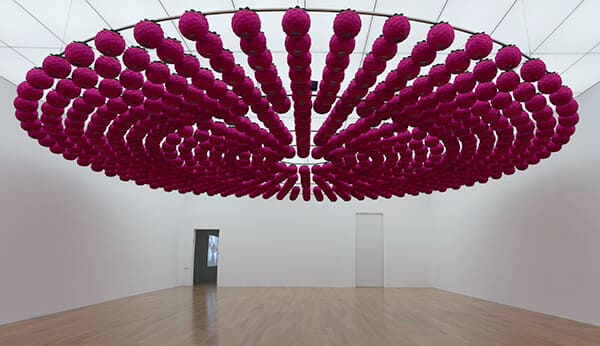
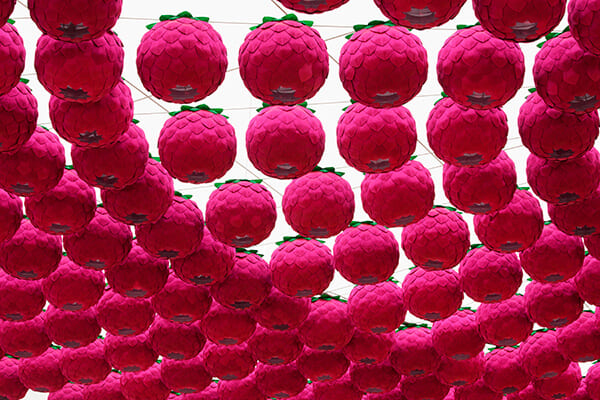
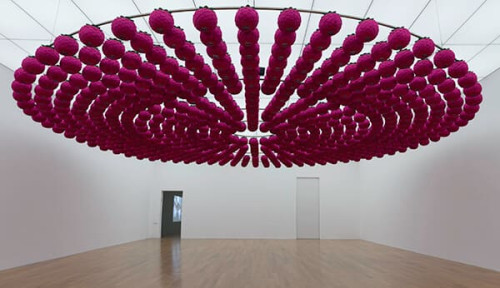
Lotus: Zone of Zero
Site-specific Installation Consisting of 656 Lotus Lanterns, Tibetan, Gregorian, and Islamic Chants, Steel Structure and Cables
Dimensions Variable
Courtesy of Galerie Kewenig, Berlin and Kimsooja Studio
Photo by Aaron Wax
Installation at Solo Exhibition Weaving the World, Kunstmuseum Liechtenstein, Vaduz, Liechtenstein
First exhibited in a different configuration at the Palais Rameau, Lille, 2003, Courtesy Dijon Consortium
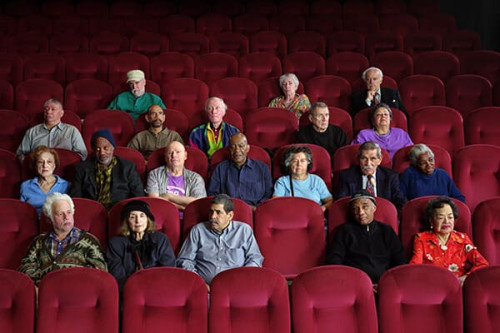
An Album: Hudson Guild, 2009/2017
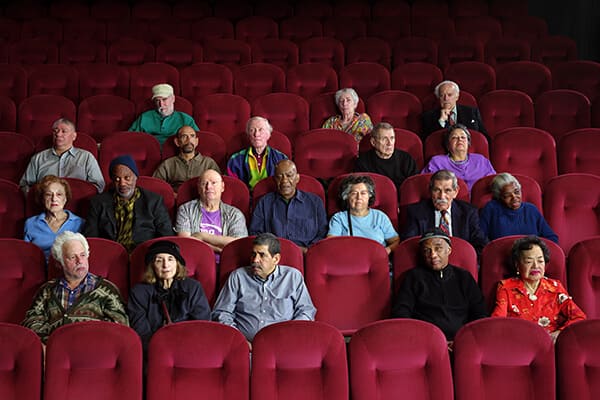
An Album: Hudson Guild, 2009/2017
Digital Flex Print
101.6 x 152.4 cm
Video Still Image from An Album: Hudson Guild, 2009
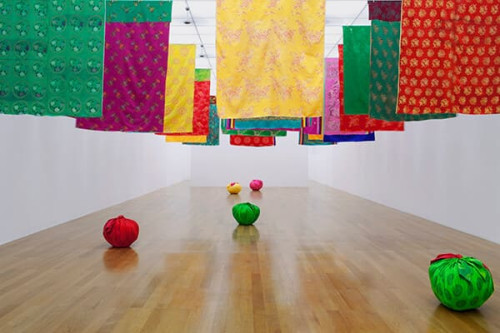
A Laundry Woman
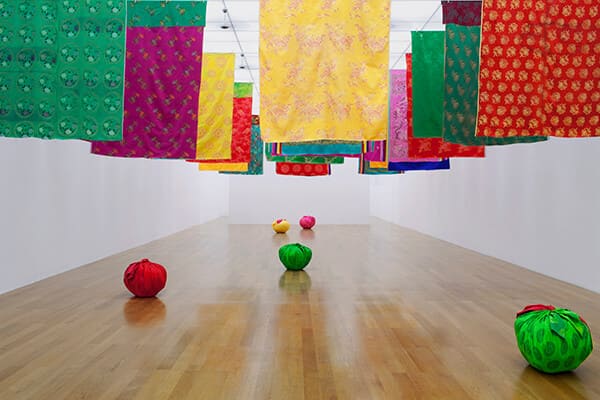
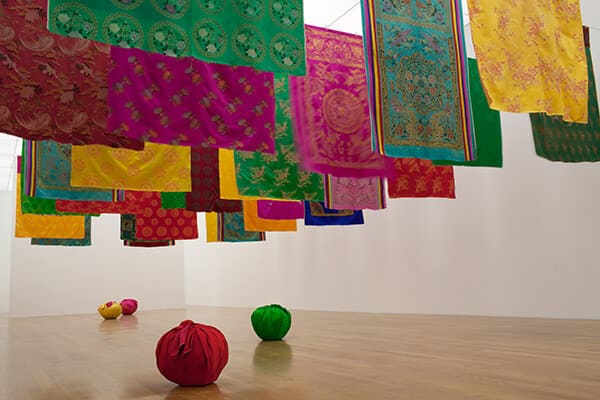
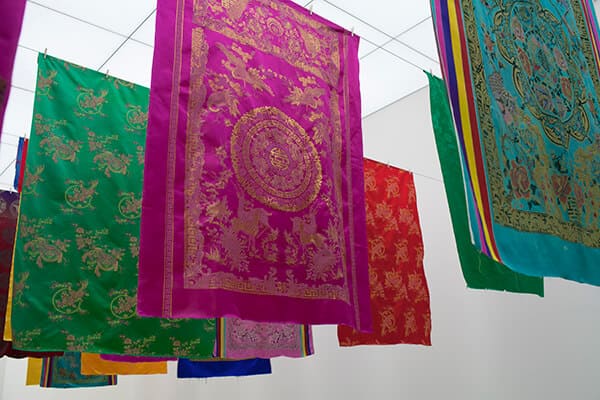
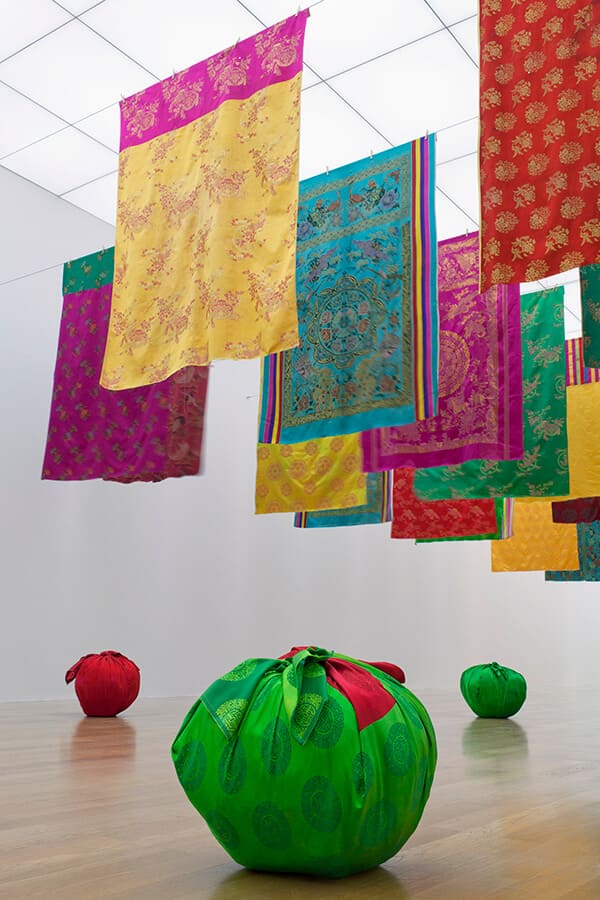
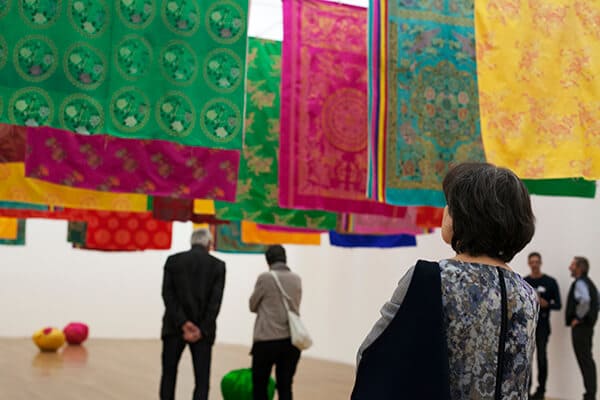
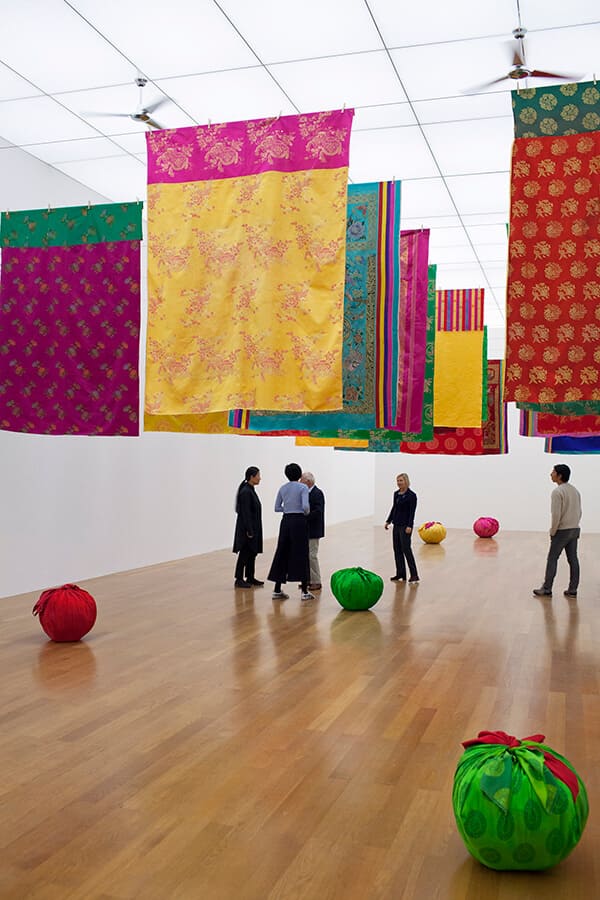
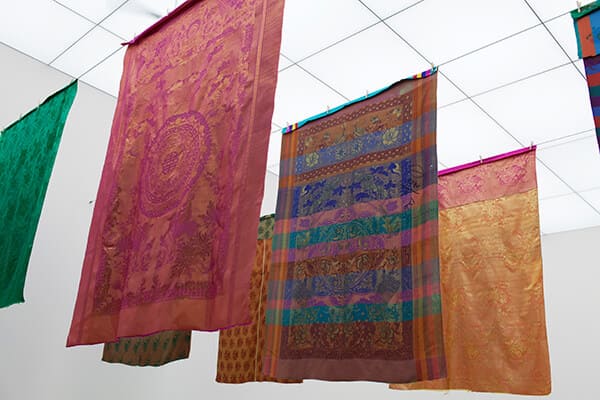
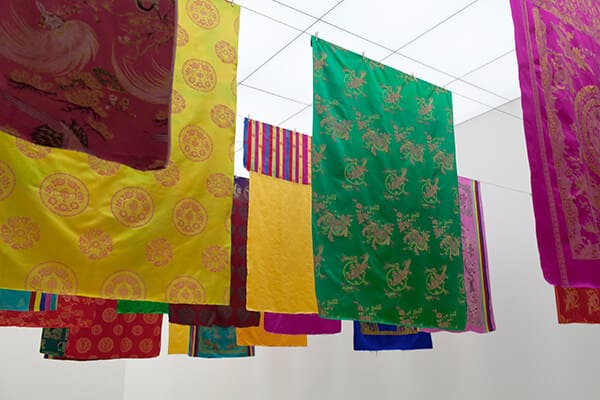
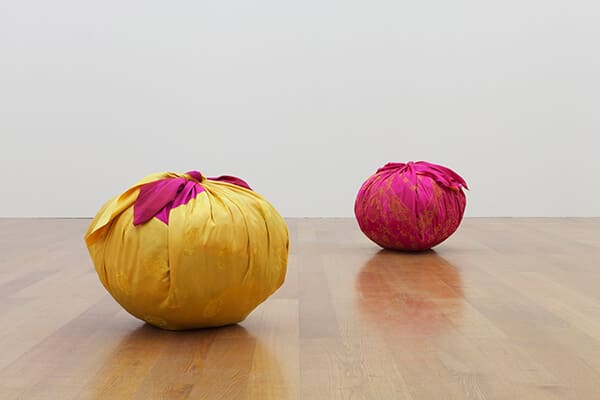
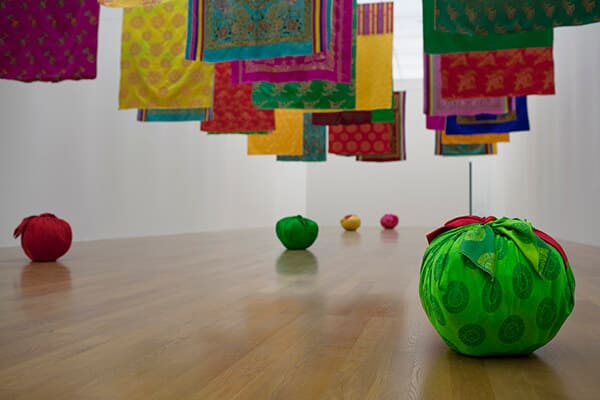
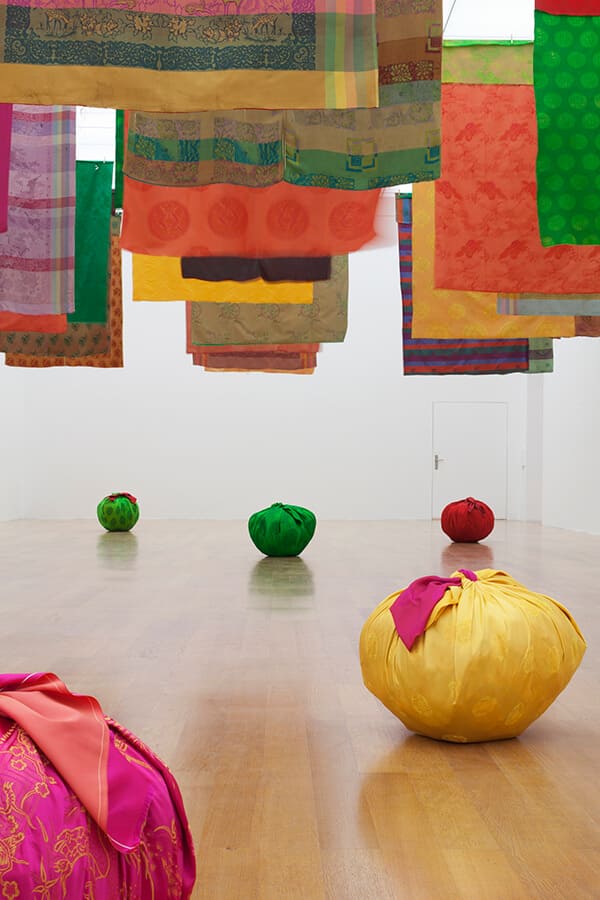
A Laundry Woman
Site-specific Installation Consisting of 27 Fabrics, 5 Bottaris, 6 Fans
Dimensions Variable
Courtesy of Musee d’Art Contemporain, Lyon, France and Kimsooja Studio
Collection of the Musee d’Art Contemporain, Lyon, France
Photo by Aaron Wax
Installation at Solo Exhibition Weaving the World, Kunstmuseum Liechtenstein, Vaduz, Liechtenstein
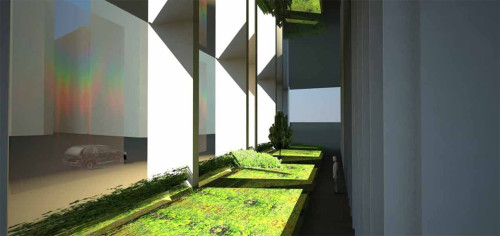
Building 9 Central Park, Sydney | To Breathe - Sydney
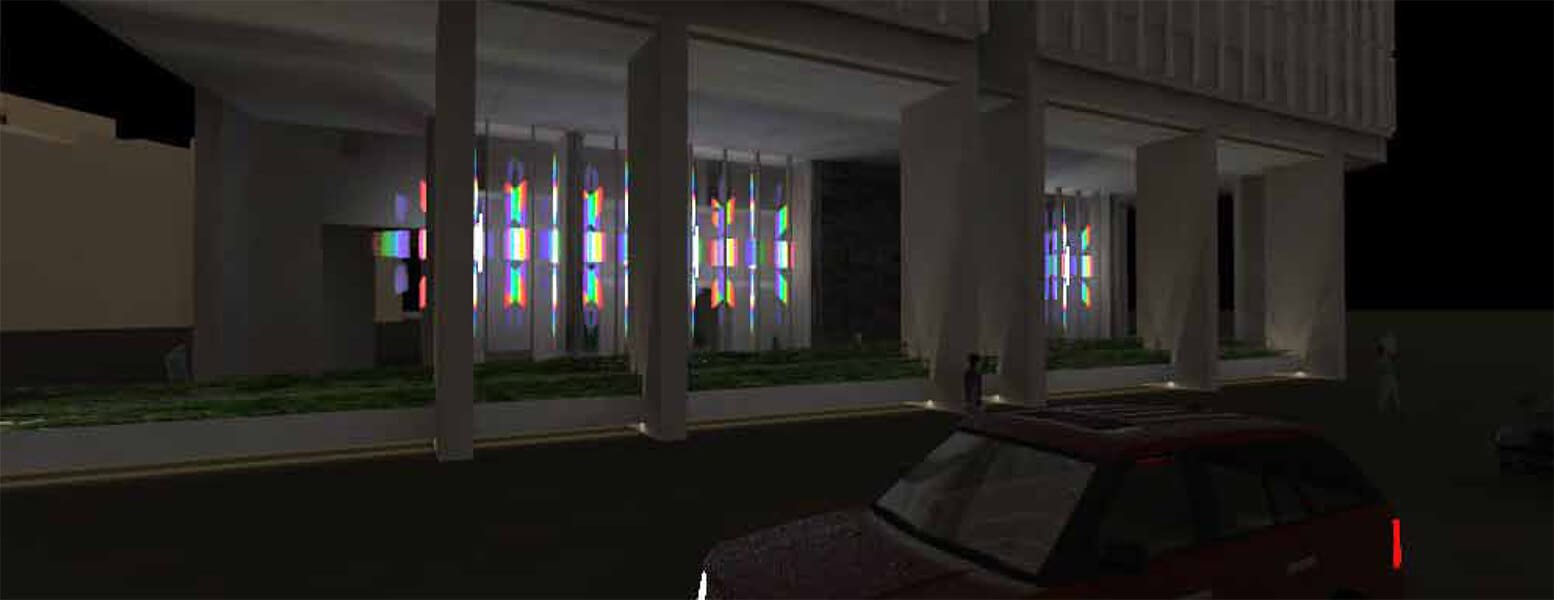
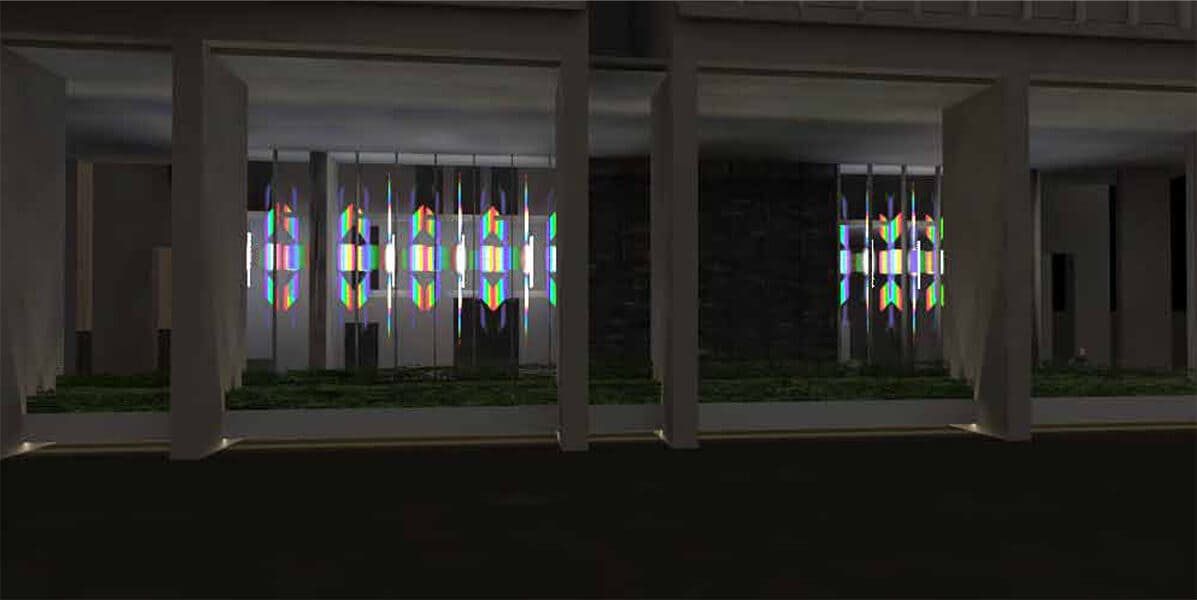
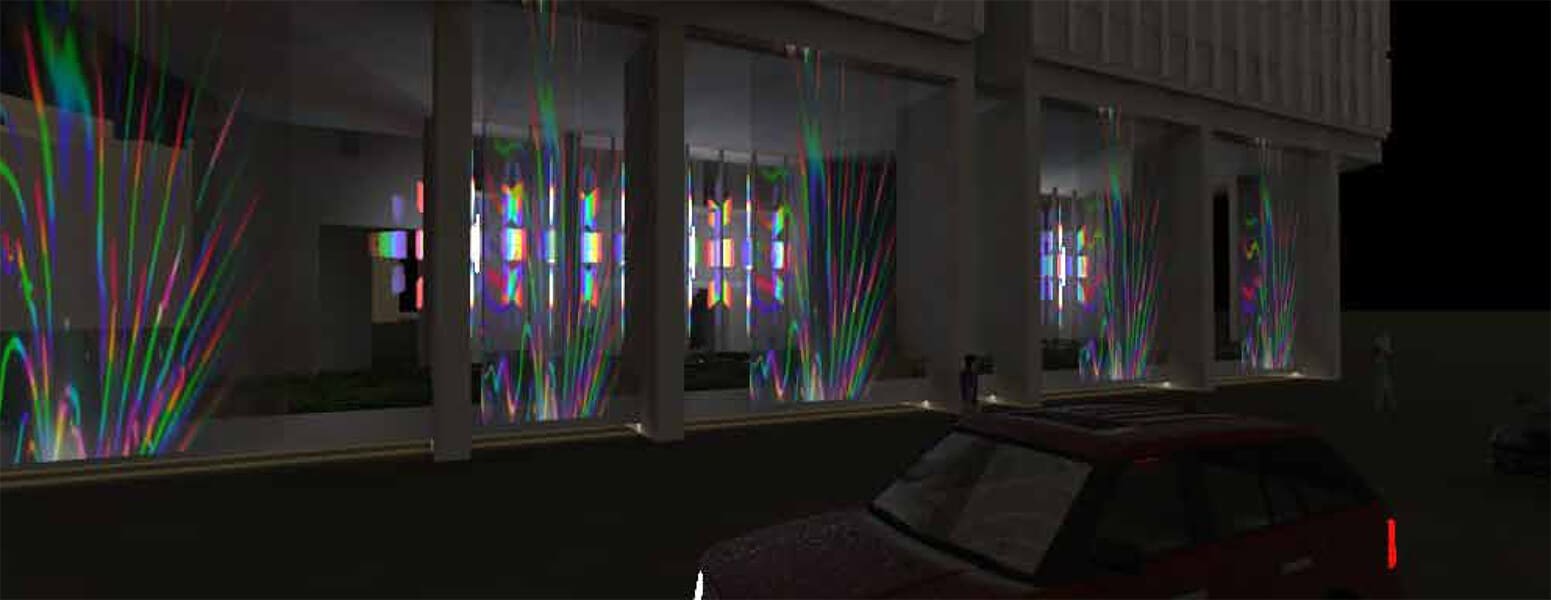
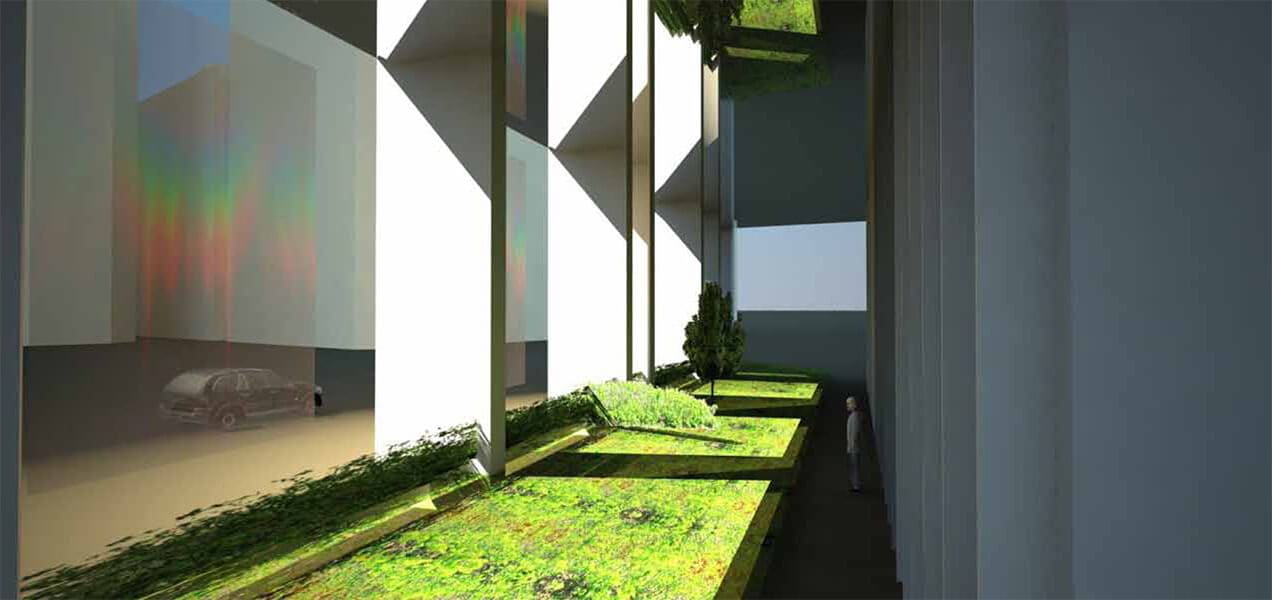
Building 9 Central Park, Sydney | To Breathe - Sydney
Detail Drawing of Proposed Mixed Media Site-specifc Installation
Building 9 Central Park, Sydney, Australia
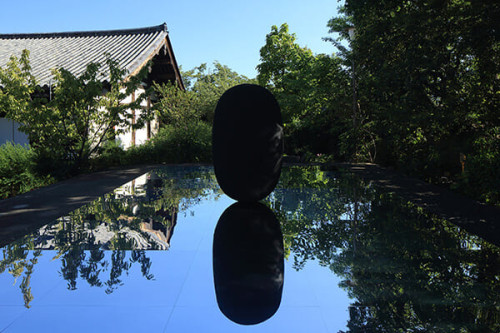
Deductive Object
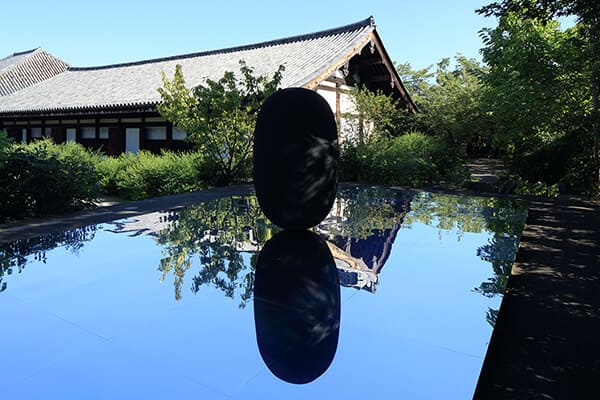
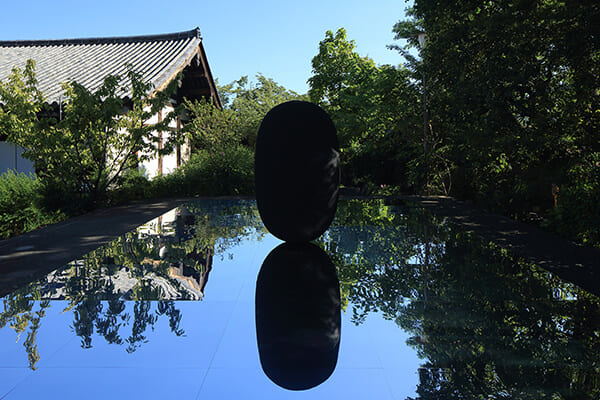
Deductive Object
Black casted Aluminum on Mirror, Mirror: 8 x 5m, Sculpture: 1.83 x 1.1m
Courtesy of Art Front Gallery Co., Ltd. and Kimsooja Studio
Photo by Keizo Kioku
Installation at Gangoji Temple, Commissioned by Culture City of East Asia 2016: Kimsooja, Gangoji Temple, Nara Japan
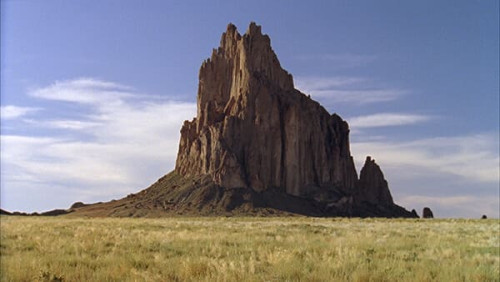
Thread Routes – Chapter V
Thread Routes – Chapter V
Single Channel Video
21:59 loop, 5.1 Sound, HD
Edition of 6 plus 1 artist's proof
–
Thread Routes is Kimsooja’s first 16mm film series, after having spent more than three decades contextualizing and conceptualizing textiles as a canvas that supports a structural investigation of human life, nature and the world.
While contemporary art has long considered textiles as craft, Kimsooja has consistently sought to connect the nature of textiles to the performative, the sculptural/architectural, the notion of tableau and questions of gender, aesthetics and culture.
Divided into six chapters, Thread Routes takes place in six different cultural zones around the world. Kimsooja considers her approach as a 'visual poem' and a 'visual anthropology' in juxtaposing and presenting structural similarities in performative elements of textile culture with the structures in nature, architecture, agriculture and gender relationships in different cultures. These non-descriptive and non-narrative documentary films were conceived after being inspired in Bruge, Belgium in 2002, by traditional lace making, and its performative elements and architectural structure.
–
Chapter V, filmed in 2016 in the American Southwest, centers on the land and craft of indigenous Americans. Scenes of plateaus and prairies are interspersed with adobe dwellings and caves that sheltered people thousands of years ago. Kimsooja connects this to craft by showing techniques that have been practiced equally as long and which are related to the land, showing weaving on handmade looms and basket weaving, starting with collecting the plants native plants with which they are woven.
〈실의 궤적〉은 인간의 삶, 자연, 세계의 구조를 탐구하는 회화적 장(場)으로서 텍스타일을 30여 년에 걸쳐 맥락화하고 개념화해 온 이후, 김수자가 처음으로 제작한 16mm 필름 연작이다. 동시대 미술이 오랫동안 텍스타일을 공예로 간주해 왔음에도 김수자는 텍스타일의 본질을 퍼포머티브한 차원, 조각·건축적 차원, 타블로(tableau)의 개념, 그리고 젠더·미학·문화에 대한 질문들과 지속적으로 연결해 왔다.
여섯 개의 장으로 구성된 〈실의 궤적〉은 전 세계 여섯 개의 서로 다른 문화권을 배경으로 제작되었다. 김수자는 이 접근을 ‘시각적 시(visual poem)’이자 ‘시각적 인류학(visual anthropology)’으로 간주하며, 텍스타일 문화의 퍼포먼스적 요소들이 자연, 건축, 농경, 젠더 관계의 구조들과 지니는 형식적 유사성을 병치해 제시한다. 이 비서사적이고 비서술적인 다큐멘터리 필름들은 2002년 벨기에 브뤼헤에서 전통 레이스 제작과 그 퍼포먼스적·건축적 구조를 목격한 경험에서 영감을 받아 구상되었다.
–
Chapter V (2016) — 미국 남서부
2016년 미국 남서부에서 촬영된 다섯 번째 챕터는 원주민들의 땅과 공예를 중심으로 전개된다. 고원을 이루는 지형과 대초원의 장면들은 수천 년 동안 사람들의 거처였던 어도비(흙벽돌) 주거지와 동굴 장면과 교차되며 나타난다. 김수자는 이러한 풍경을, 마찬가지로 오랜 시간 이어져 내려오며 땅과 긴밀히 연결된 공예 전통과 맞닿아 있는 것으로 제시한다. 손으로 만든 베틀을 이용한 직조와 바구니 엮기, 그리고 이를 위해 토착 식물을 채집하는 과정이 그 연관성을 보여준다.
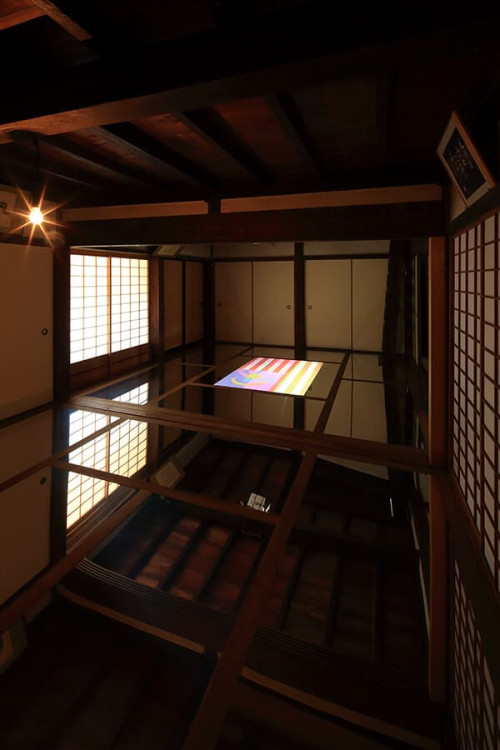
To Breathe – The Flags
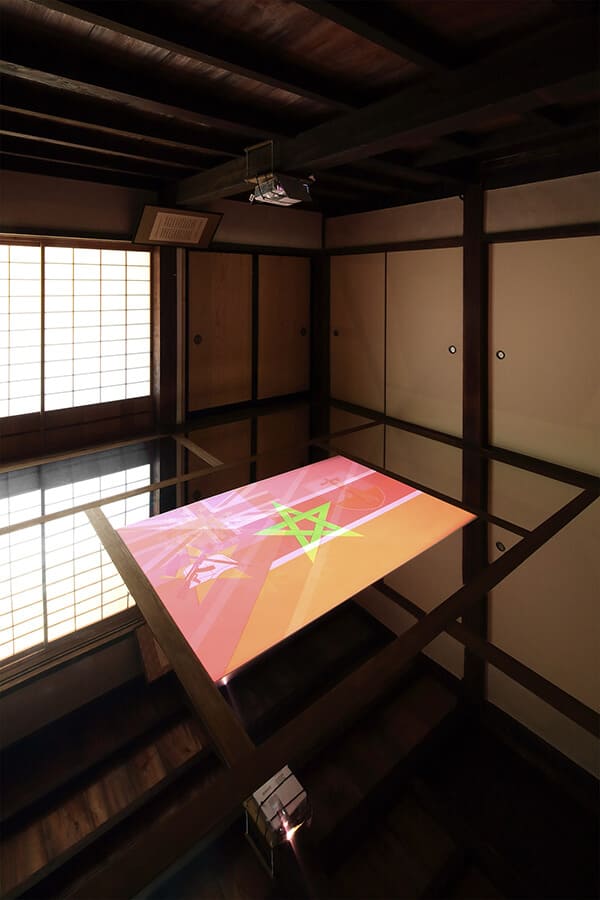
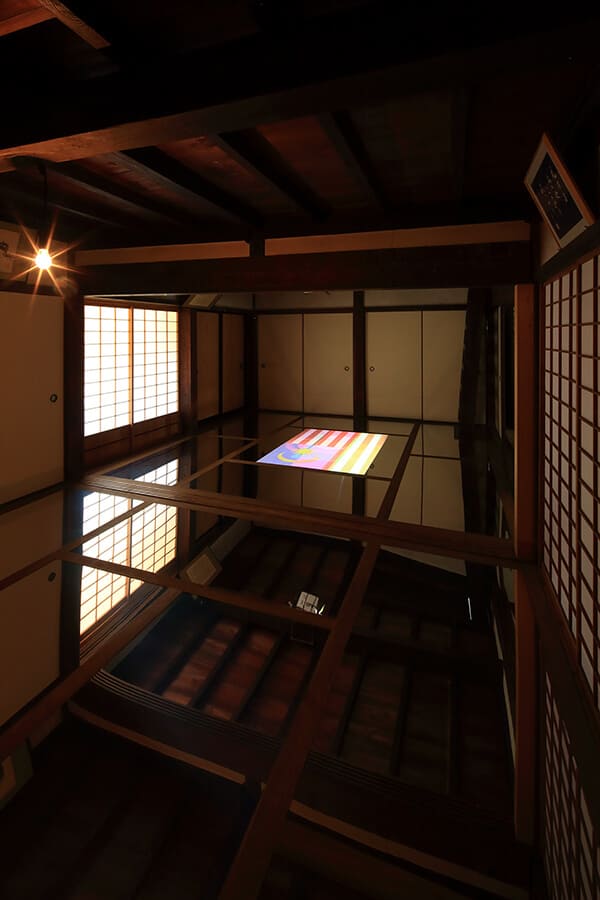
To Breathe – The Flags
Site-specific Installation Consisting of Video Installation
The Flags(2012), Single Channel Video, 40:41 loop, Silent
Courtesy of Art Front Gallery Co., Ltd. and Kimsooja Studio.
Photo by Keizo Kioku
Installation at Gangoji Temple, Commissioned by Culture City of East Asia 2016: Kimsooja, Gangoji Temple, Nara Japan
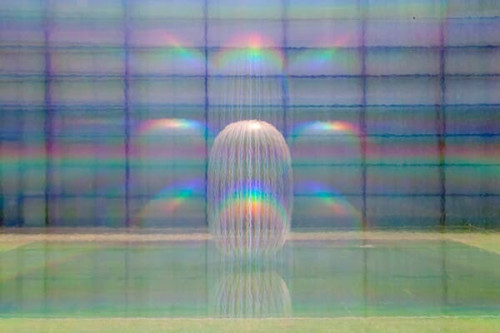
To Breathe
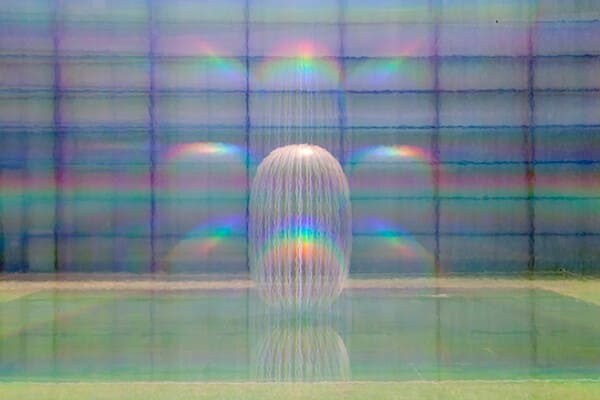
To Breathe
호흡 To Breathe
2016
site specific installation consisting of diffraction grating film, dimensions variable
Courtesy of MMCA and Hyundai Motor Co. and Kimsooja Studio
–
지난 30년 동안 작가는 세계의 수직 수평 구조에 근거한 천지인삼재와 회화의 평면성에 대한 질문들로부터 작품들을 전개해왔다. <호흡>은 특수필름을 이용한 장소 특정적 설치 작품으
로,<거울여인>이라는 명제로 2006년 마드리드의 레이나 소피아 국립미술관의 크리스털 궁전에서 처음 발표한 이후, 2013년 베니스비엔날레 한국관에서 선보인 바 있다. 공간의 허공성(虛
,void)을 건축물의 표피로 확장함으로써 보따리의 개념을 빛의 언어로 비물질화하는 작가의 초기 명상의 결정체이다.
–
For the last 30 years, Kimsooja has worked on an ever-evolving tableau, which continuously builds on, and transforms the question of surface in painting. Her site-specific installation using diffraction film originates in 2006 at Reina Sofia’s Crystal Palace, and has been introduced at the Korean Pavilion in Venice Biennale, 2013. By way of extending the interior void of architecture to its outermost limit, To Breathe culminates in a new definition of Bottari in the language of light and immateriality.
Photo by Aaron Wax
Installation at Kimsooja - 마음의 기하학 / Archive of Mind, National Museum of Modern and Contemporary Art, Korea(MMCA), Seoul, Korea
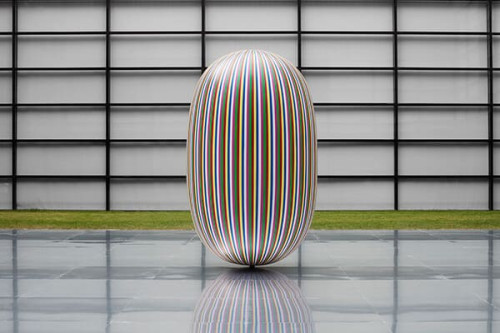
Deductive Object
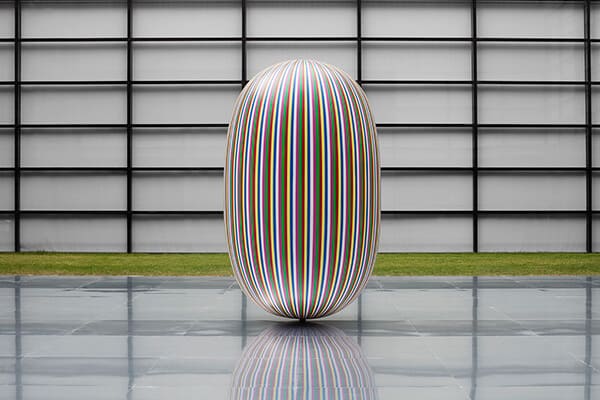
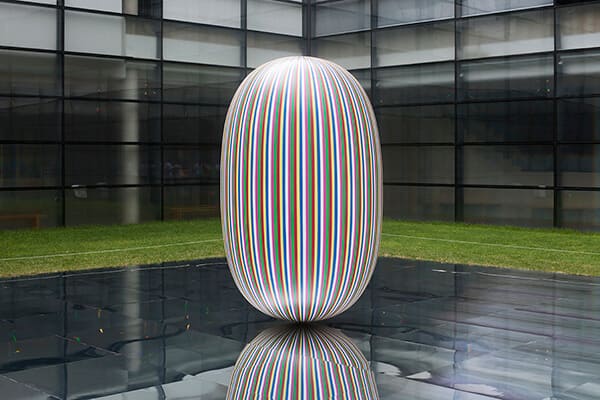
Deductive Object
연역적 오브제 Deductive Object
2016
Site-specific Installation Consisting of Painted Welded Steel
Courtesy of MMCA and Hyundai Motor Co. and Kimsooja Studio
–
<연역적 오브제>는 필름 설치 작품인 <호흡>과 더불어 국립현대미술관(서울관) 마당에 설치된 야외 조각이다. 이 작품은 ‘우주의 알’로 알려진 인도 브라만다의 검은 돌에서 영감을 받았으며, ‘보따리 기하학’의 또 다른 표현으로써 오방색 띠를 두른 타원형으로 브라만다 형태를 보따리로 형상화했다. 작품 하단의 거울 평면은 그 대각선의 중심에서 구형상의 오브제를 지지하는 플랫폼으로서, 물질과 비물질의 경계로 기능한다. 이 작품은 작가의 초기 작업과 더불어 신체와 기하학에 대한 작가의 관심이 지속함을 보여준다.
–
Presented in the museum’s courtyard is Deductive Object, a large-scale ovoid sculpture suspended on a mirrored plinth. Light diffracting film installed along the courtyard’s windows unfolds sunlight into a radiant color spectrum, while the sculpture’s “Obangsaek” (Korean traditional colors) surface enfolds the visible spectrum back into a geometric definition. This work is inspired by the Indian tradition of Brahmanda Stones, also known as “cosmic egg,” signifying the birth of totality
Photo by Aaron Wax
Installation at Kimsooja - 마음의 기하학 / Archive of Mind, National Museum of Modern and Contemporary Art, Korea(MMCA), Seoul, Korea
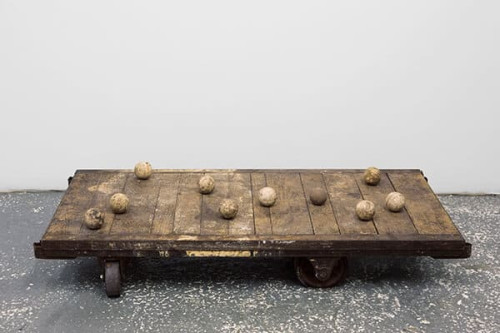
Deductive Object
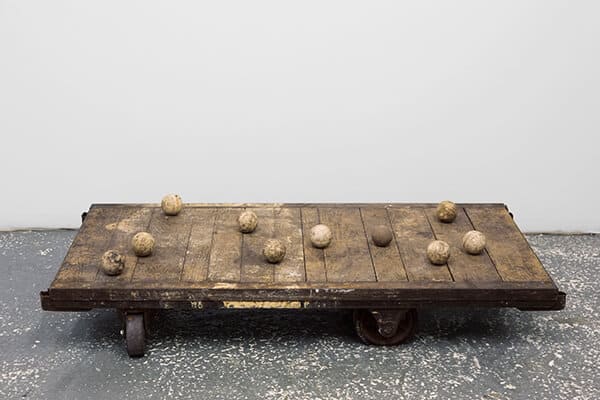
Deductive Object
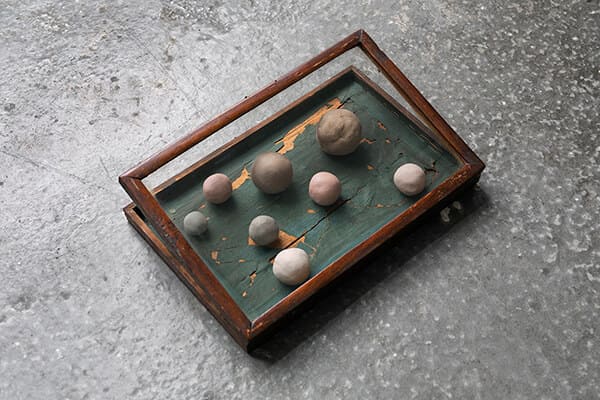
Antique Wooden Cart, 9 Ceramic Balls, 1 Clay Ball
Cart: 60 x 30 x 9cm, Clay Balls: 8.89(dia.)
Unique
Photo by Aaron Wax
Installation at Kimsooja - 마음의 기하학 / Archive of Mind, National Museum of Modern and Contemporary Art, Korea(MMCA), Seoul, Korea
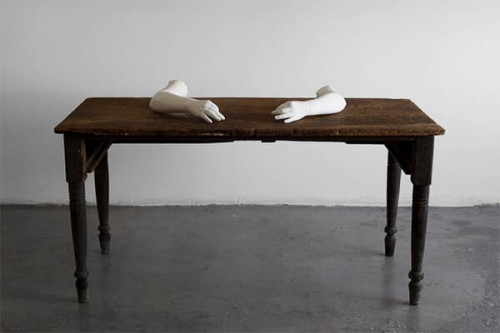
Deductive Object
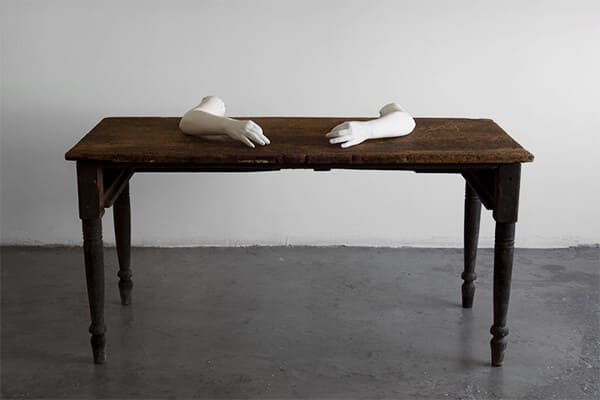
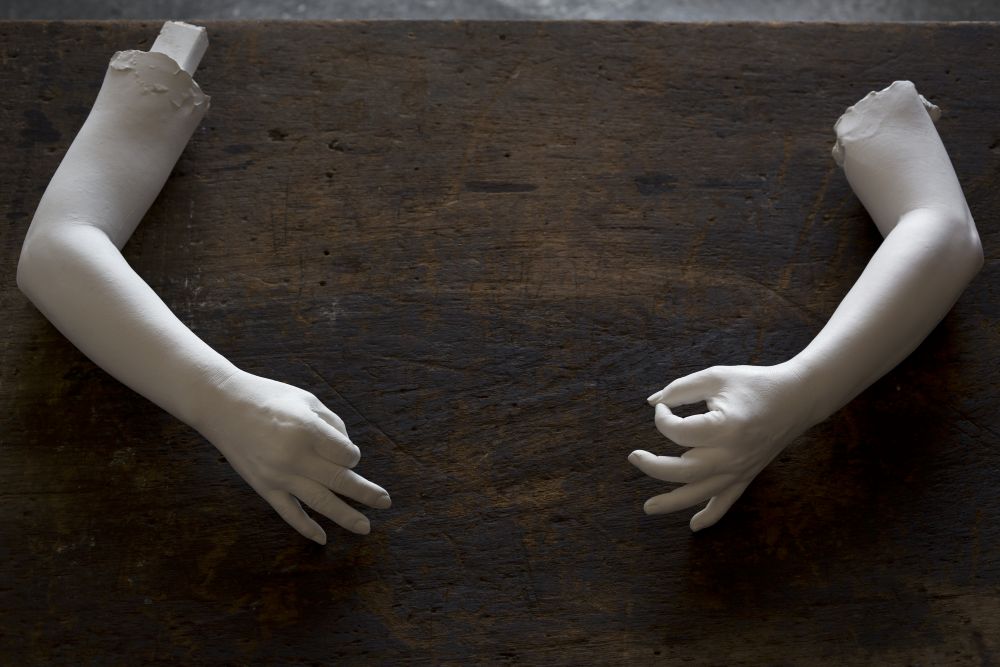
Deductive Object
Deductive Object, 2016
Paster cast of the artist’s arms on a wooden table
68.6×131×63 cm
Unique
Courtesy Kimsooja Studio et KEWENIG, Berlin
–
These castings of the artist’s arms present her two hands facing each other, with the thumb and the forefinger touching to enclose a void. The pose is reminiscent of sewing, but without a needle or thread. It speaks of connection on the basis of the artist’s principle of “non-making” and “non-doing.” The void created in the gesture of the hands encompasses an ephemeral moment, where the physical presence also embodies an uncanny absence. The hand gesture also associates with meditation in Buddhist tradition, representing a state of openness to knowledge (jnana mudra) and a connection between the individual and the universal.
이 작품은 작가의 양팔을 캐스팅 한 것으로, 두 손이 서로를 향해 마주보고 있으며 엄지와 검지가 맞닿아 빈 공간을 감싸는 형태를 이루고 있다. 손의 포즈는 바늘과 실이 없음에도 불구하고 자연스럽게 바느질 행위를 연상시키며, 동시에 작가가 지속적으로 탐구해온 ‘만들지 않기(non-making)’와 ‘무위(non-doing)’의 원칙을 암시한다. 손의 제스처로 만들어진 사이의 빈 공간은 찰나적 순간을 포착하는 동시에, 물리적 존재가 기묘한 부재를 함께 내포하는 역설적 상태를 형상화한다. 또한 이 손 모양은 불교 전통에서 지혜와 깨달음을 의미하고, 개인과 우주적 존재의 연결을 상징하는 지혜수인(智慧手印)을 떠올리게 한다.
Photo by Aaron Wax
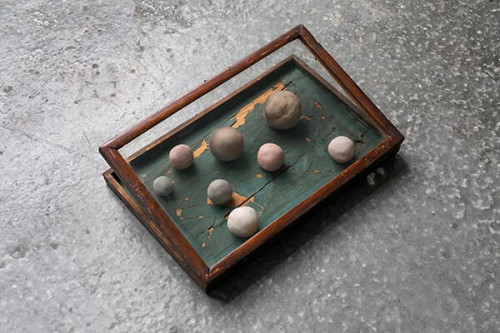
Deductive Object
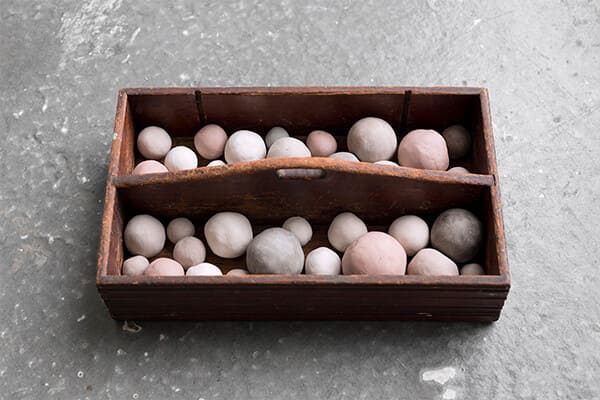
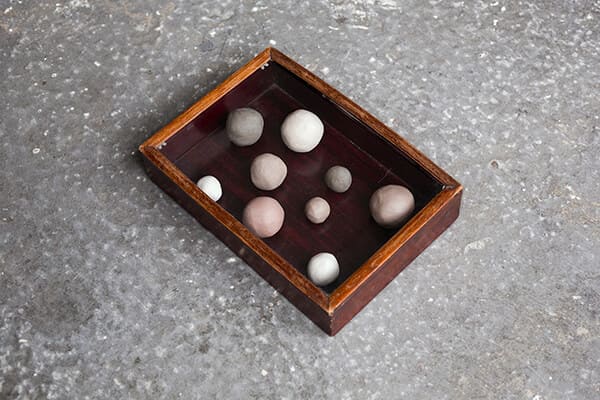
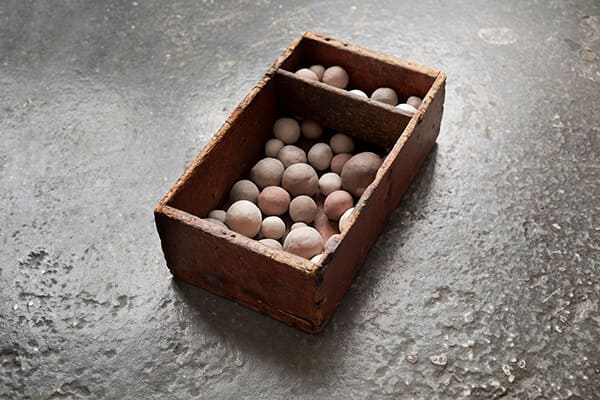
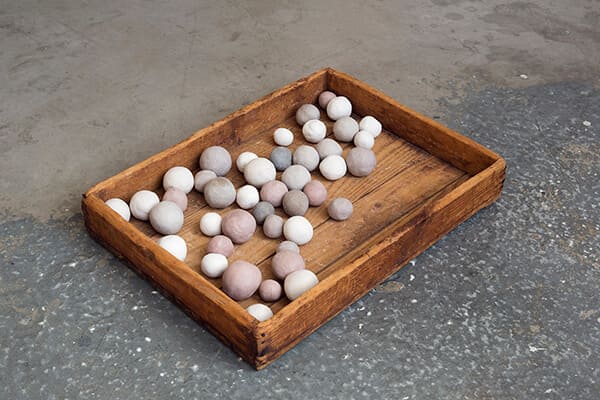
Deductive Object
Clay Balls and Antique Wooden Box
Unique
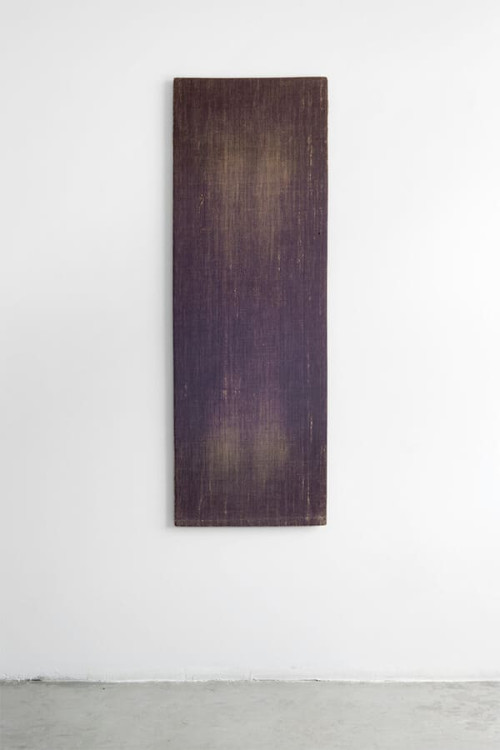
Geometry of Body, 2006-2015
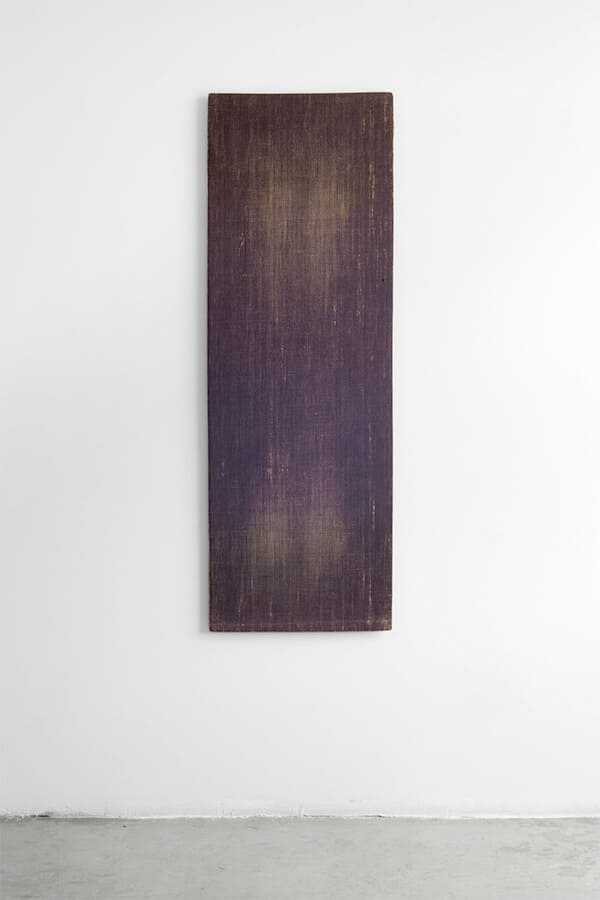
Geometry of Body, 2006-2015
Rubber, Jute, and Natural Cotton - Used Artist's Yogamat
182.9 x 60.9 cm
Unique
Courtesy Kimsooja Studio et KEWENIG, Berlin
–
Kimsooja practiced yoga on this mat from 2006 to 2015. The traces of her hands and feet, the geometric movements of the body, the forces of gravity, and accumulated time become palpable on this enigmatic surface of fabric, which serves as a tableau vivant. This piece is a continuation of the artist’s study on body and its geometric form that began in the early 1980s.
김수자는 2006년부터 2015년에 이 요가 매트를 사용하며 수행을 지속했다. 손과 발의 자취, 신체가 그려낸 기하학적 움직임, 중력의 힘, 그리고 축적된 시간들은 직물의 표면 위에 고스란히 각인되며, 하나의 ‘타블로 비방(tableau vivant)’, 즉 살아 있는 회화으로 기능한다. 이 작품은 1980년대 초부터 작가가 시작한 신체와 기하학적 형상에 관한 연구의 연장선에 있다.
Photo by Aaron Wax
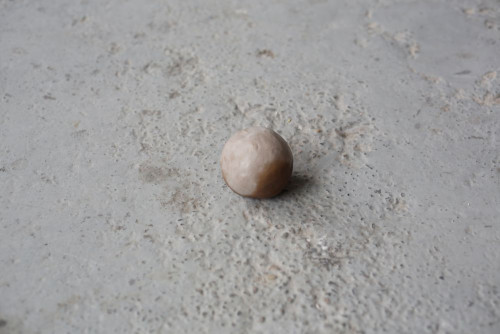
A Container of the Earth, 2016
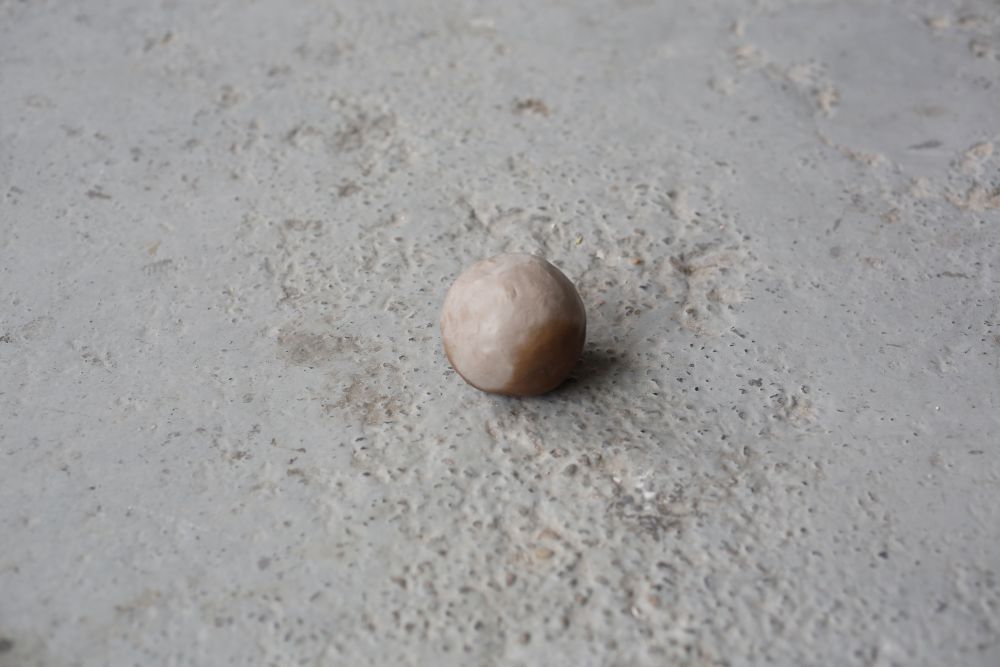
A Container of the Earth, 2016
A Container of the Earth, 2016
Argile / Clay
Courtesy Kimsooja Studio
–
Kimsooja presented her first clay ball at MAC Lyon when she was requested to make a vessel for water in response to Yoko Ono’s work We Are All Water (2006). The artist intentionally sent a ball of clay in a partially dried state as a container of water.
김수자는 요코 오노의 작품 〈We Are All Water〉(2006)에 대한 응답으로서 물 담는 그릇을 제작해 달라는 요청을 받았고, 리옹 현대미술관(MAC Lyon)에서 자신의 첫 점토 구 작업을 선보이게 되었다. 작가는 물을 담는 용기로 부분적으로 건조된 상태의 점토 공을 의도적으로 보냈는데, 이는 물을 품은 존재로서의 점토가 지닌 잠재성과 생동성을 드러내기 위해서였다.
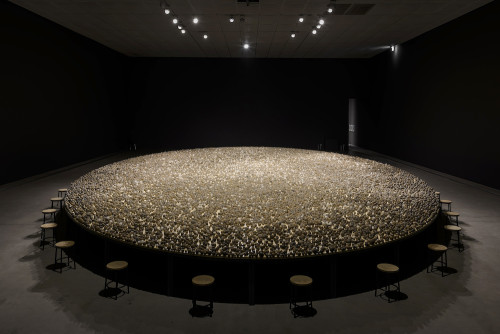
Archive of Mind
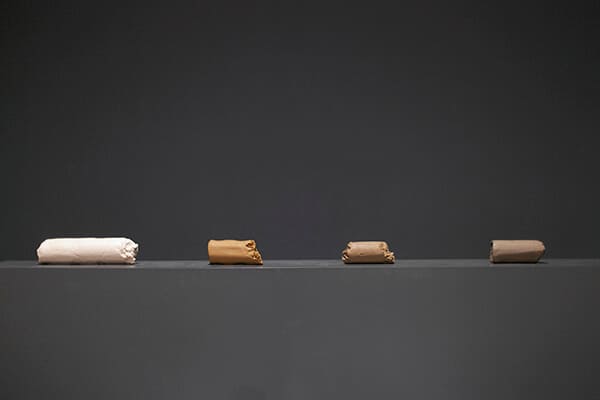
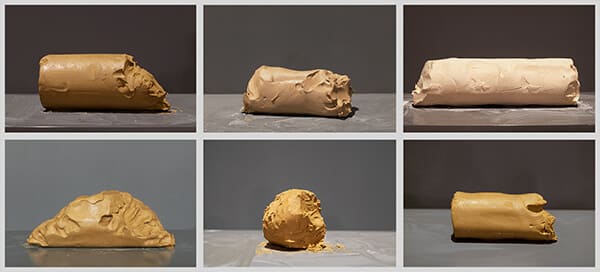
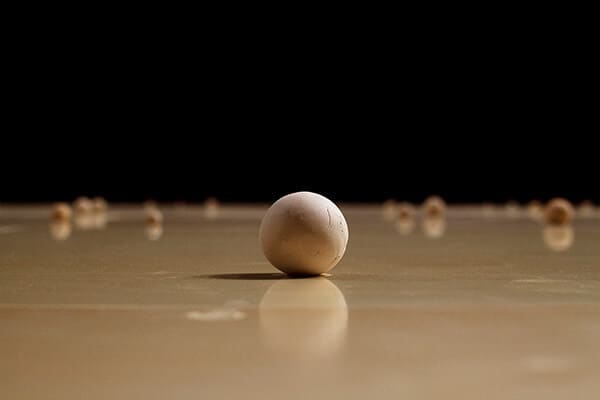
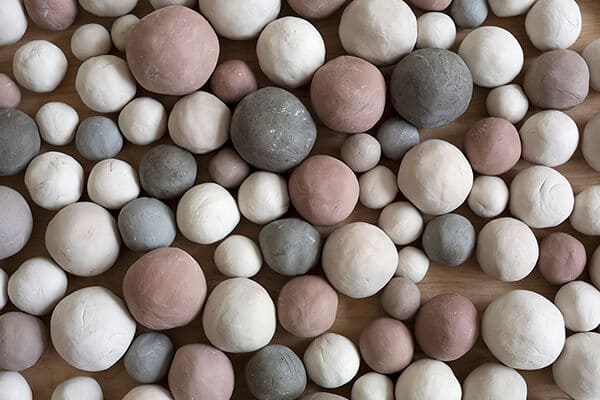
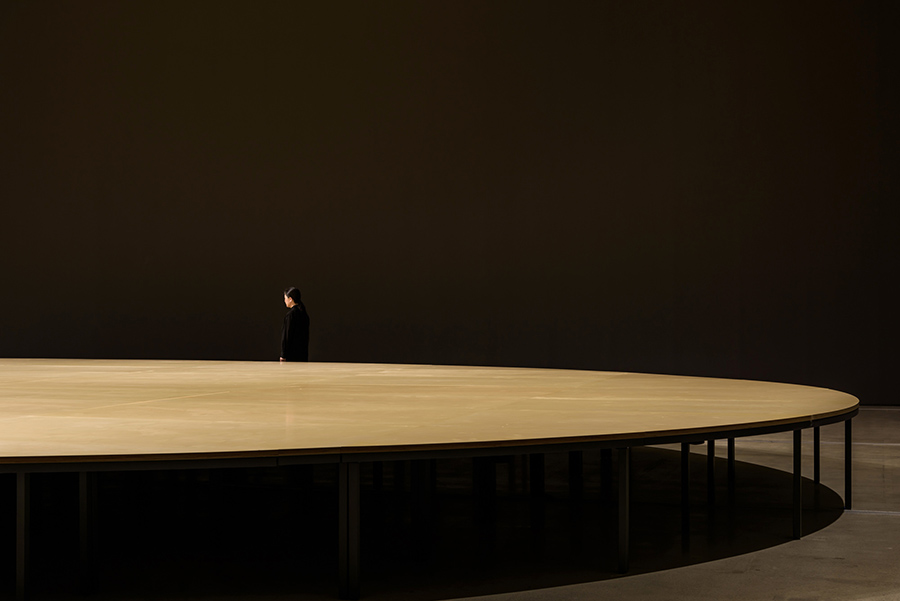
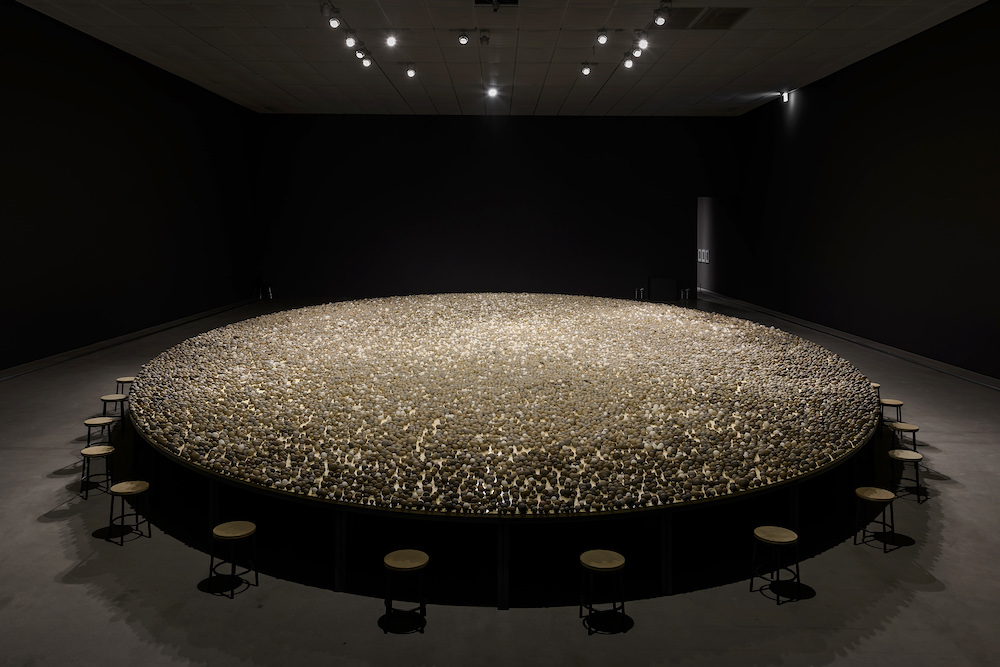
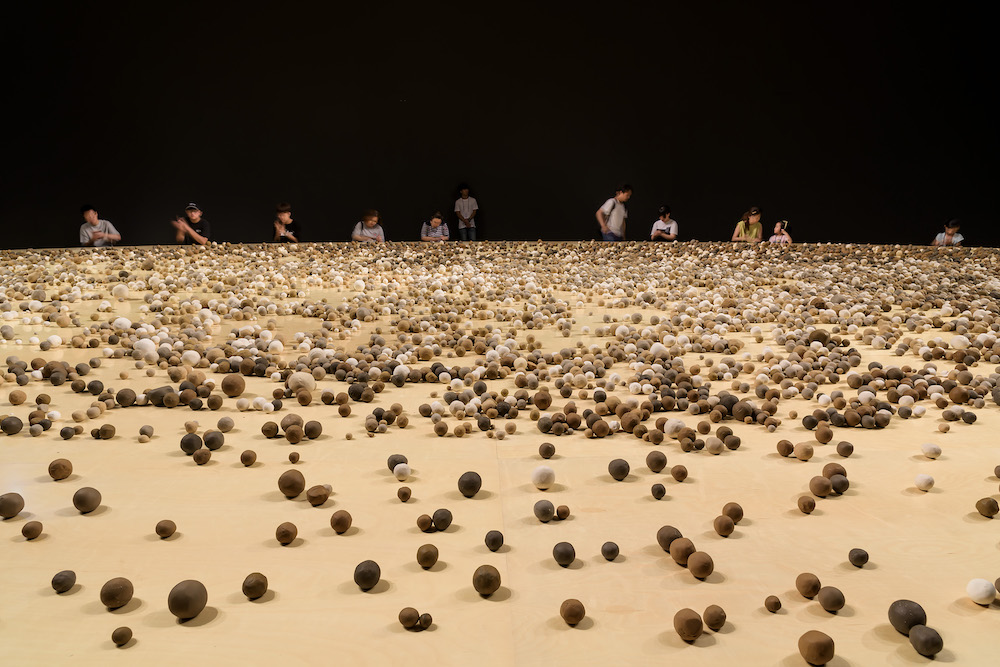
Archive of Mind
마음의 기하학 Archive of Mind
Wooden table, assorted clay
Dimensions variable
2016
–
〈마음의 기하학〉 작가가 무언가를 ‘만드는 행위’ 자체에 관해 사유한 바를 제시한다. 이 작품은 관객이 직접 작품에 개입하는 참여형 워크숍으로 진행된다. 작가는 캔버스의 기능을 겸하는 19m 길이의 타원형 나무탁자 위에 관객이 찰흙 덩어리를 구형으로 만들어 놓도록 요청한다. 작가는 그의 초기 작업에서 ‘보따리’라는 개념을 물질과 비물질을 감싸는 방법론으로 풀이했던 데에서 영감을 얻어 찰흙 구를 만드는 작업을 구상했다. 구를 만들기위해 손으로 찰흙을 감싸며 굴리는 순환적인 행위는 관객이 자신의 마음 상태를 물질로, 물질을 다시 무(無)로 전환하도록 만드는데, 이 과정에서 자신의 두 손바닥에 가하는 균형적인 힘 사이의 양극성을 체험하도록 한다. 이 작품과 함께 전시되는 사운드 퍼포먼스 신작 〈구의 궤적〉은 찰흙 구 표면의 기하학적 구조를 소리의 실타래로 풀어내고, 탁자 위에 흩어져 있는 구들과 조응하며 우주적 조형성을 드러낸다.
–
Archive of Mind offers the artist’s reflections on the canonical problem of the act of making and will transform with audience participation throughout the exhibition period. Expanding on the artist’s concept of “Bottari” as a method of wrapping, this participatory workshop invites the audience to roll a lump of clay into spherical forms on a 19 meter long wooden table, which doubles as a canvas. The cyclical act introduces a polarity between symmetrical forces of the participants’ palms that
transpose their state of mind into matter and matter into void. A new sound performance piece titled, Unfolding Sphere, presents an acoustic counterpart to the rhythmic constellation of the clay spheres.
Installation at MMCA Hyundai Motors Series 2016: KIMSOOJA - 마음의 기하학 / Archive of Mind, National Museum of Modern and Contemporary Art, Korea
(Left to right:)
01 - 06: 마음의 기하학 / Archive of Mind, 2016, participatory site specific installation consisting of clay balls, 19 m elliptical wooden table, and sound performance Unfolding Sphere, 2016, Installation at Kimsooja - 마음의 기하학 / Archive of Mind at MMCA, Seoul, Photo by Aaron Wax, Courtesy of MMCA and Hyundai Motor Co. and Kimsooja Studio
07: 마음의 기하학 / Archive of Mind, 2016, participatory site specific installation consisting of clay balls, 19 m elliptical wooden table, and sound performance Unfolding Sphere, 2016, Installation at Kimsooja - 마음의 기하학 / Archive of Mind at MMCA, Seoul, Photo by Jeon Byung Cheol, Courtesy of MMCA and Hyundai Motor Co. and Kimsooja Studio
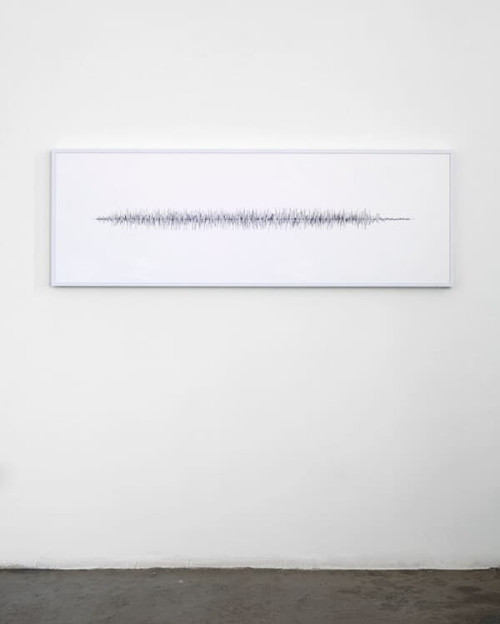
One Breath, 2004/2016
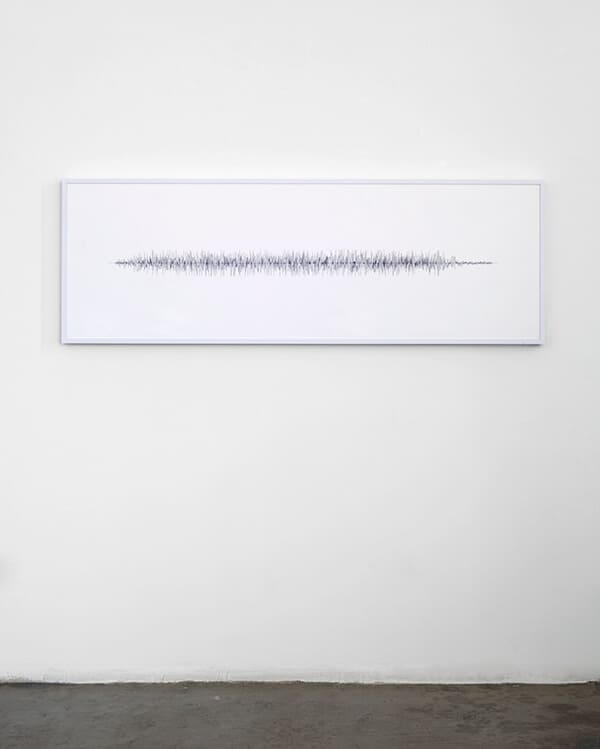
One Breath, 2004/2016
숨 One Breathe
Digital Embroidery on Satin, abstract from The Weaving Factory(2004) sound performance by the artist,
61.4 x 179.5 x 7 cm
Unique
–
<숨>은 작가가 바느질을 중단한 1992년 이후 처음으로 제작한 디지털 자수 작품이다. 이 작품은 호흡 사운드 퍼포먼스 <직물 공장>의 음파 그래픽의 한숨을 디지털 자수로 수놓은 것이다. 들숨과 날숨이 만들어 내는 파동은 직물 사이를 누비는 바느질을 통하여 그 구조와 형식을 보여 주며, 음과 양, 삶과 죽음의 순환을 시각적으로 형상화한다.
–
One Breath is the first digital embroidery piece Kimsooja made since she stopped her sewing practice in 1992. One segment of sound wave from her breathing performance The Weaving Factory is sewn across the canvas, tracing the cyclical act of inhaling and exhaling across life and death.
Photo by Aaron Wax
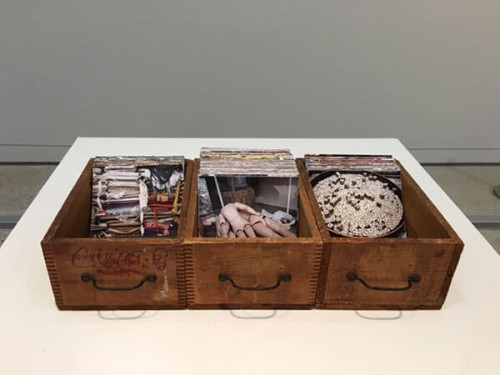
Unfolding Bottari – Geometry of Possession, 1991-2016






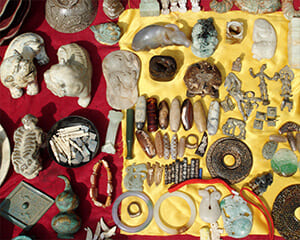
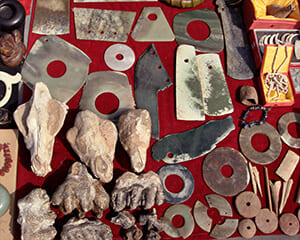
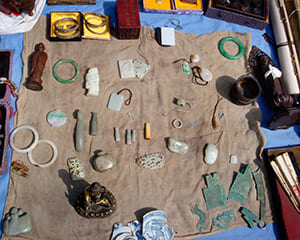

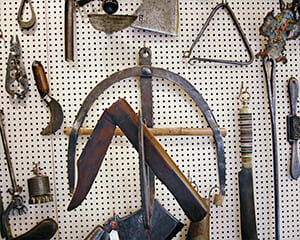
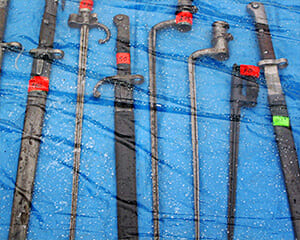
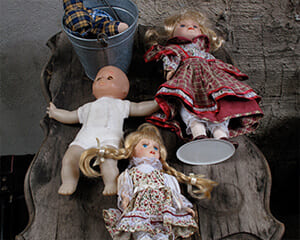
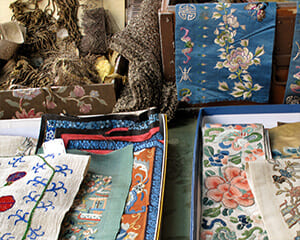

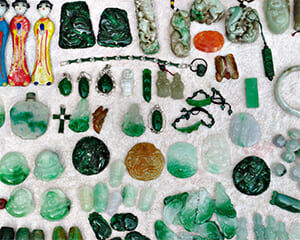
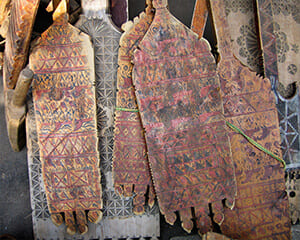
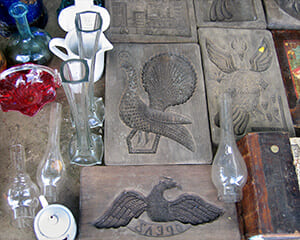

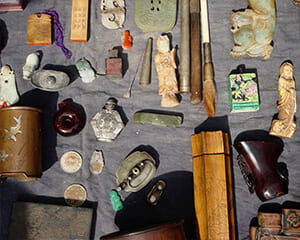

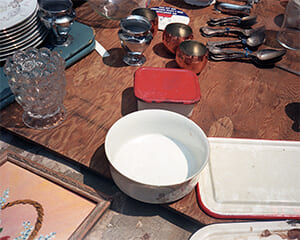

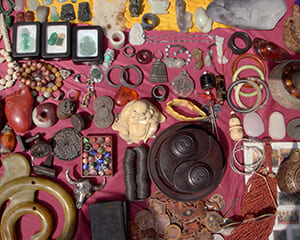

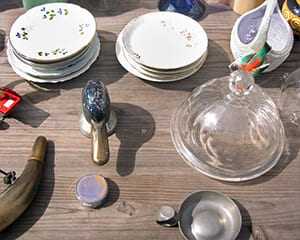
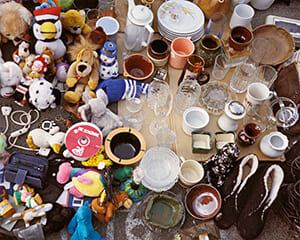
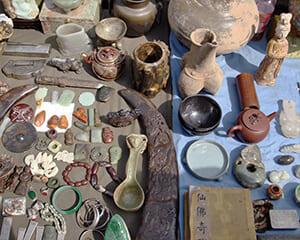
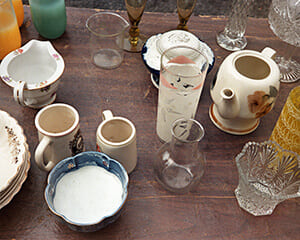
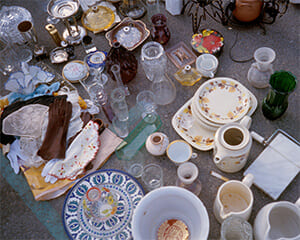
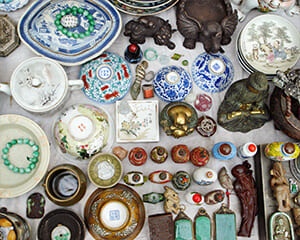

Unfolding Bottari – Geometry of Possession, 1991-2016
223 Prints on Hahnemuhle Paper Divided into Three Used Wooden Drawers
Print: each 17.3 x 18.4 cm
Drawer: each 21.6 x 27.9 15.2 cm
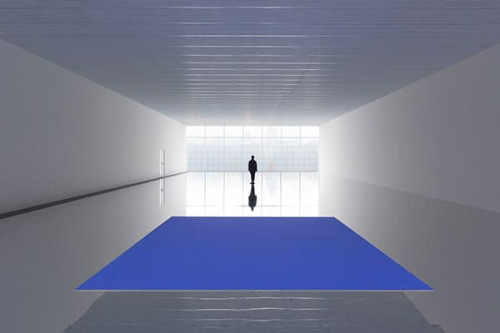
To Breathe, 2015/2016
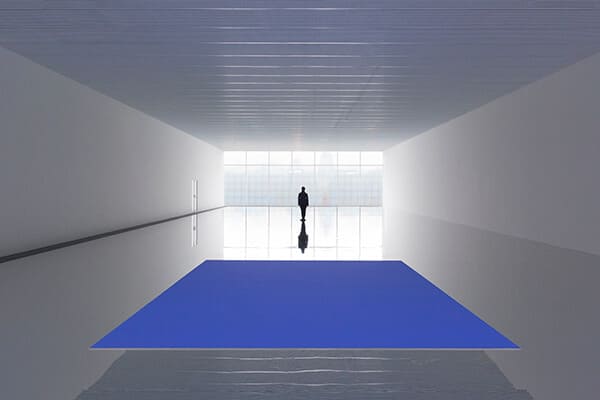
To Breathe, 2015/2016
Duraclear Photographic Print in Lightbox
103.6 x 154.4 x 8.8 cm
Edition of 5 plus 2 artist's proofs
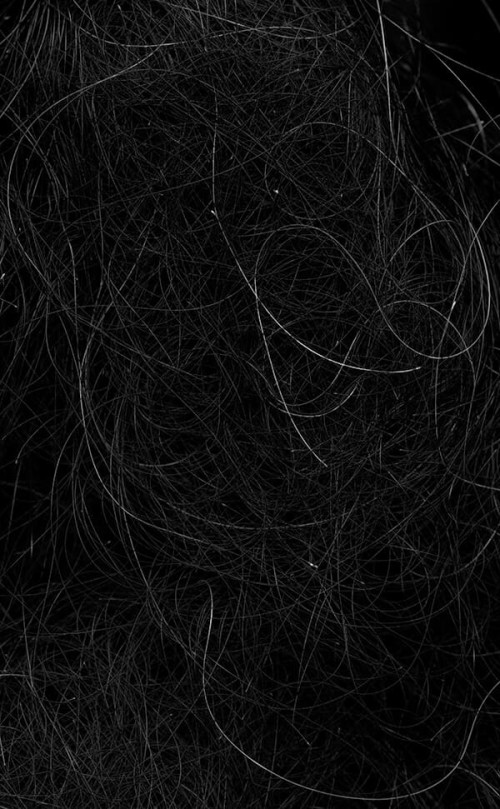
Topology of Time (Series of 5 Prints)


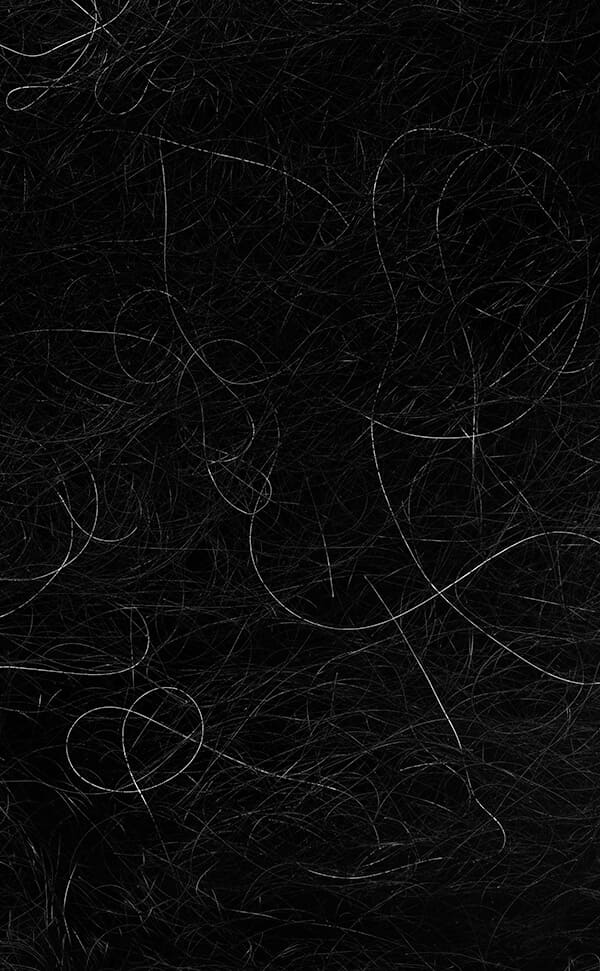
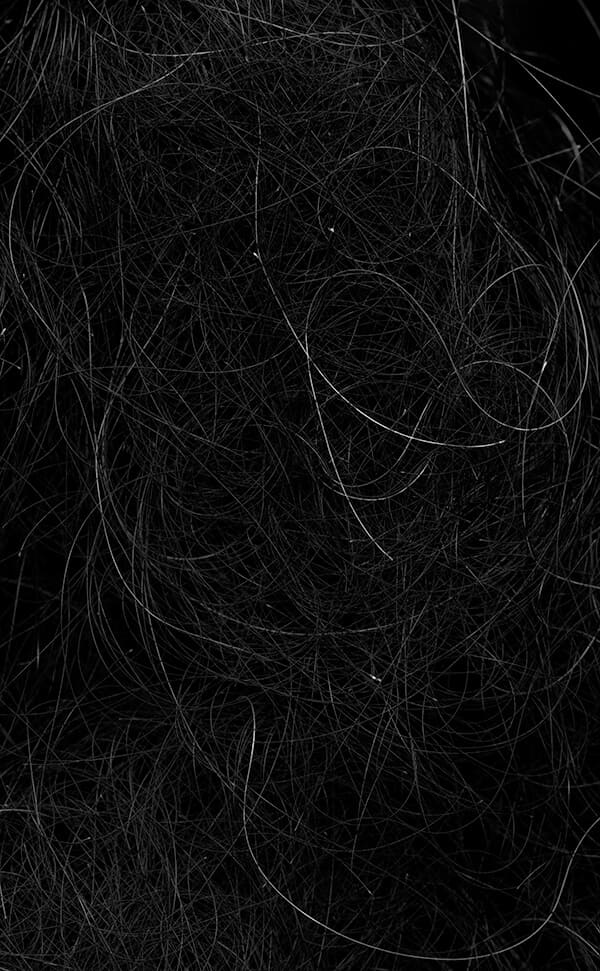

Topology of Time (Series of 5 Prints)
Giclée Inkjet Print
170.5 x 114.1 cm
Edition of 5 plus 2 artist's proofs
–
For years, the artist has been collecting the hair fallen out of her body. Almost invisible, they appear like threads, or infinite layers of line drawings in space. A single strand of hair measures time that begins with birth. It reflects a structure of continuity we are all part of, a geometry of time that gives form to the body and threads our existence with one another.
수년간 작가는 자신의 몸에서 빠져나온 머리카락을 수집해왔다. 거의 보이지 않을 정도로 미세한 이 머리카락들은 공간 속에서 실오라기처럼 존재하며, 무한히 겹쳐진 선묘와 같은 형상을 하고 있다. 하나의 머리카락은 탄생과 함께 시작된 시간의 길이를 품고 있으며, 우리 모두가 속한 연속성의 구조를 반영한다. 그것은 몸의 형태를 만들고, 서로의 존재를 이어주는 시간의 기하학을 형상화한다.
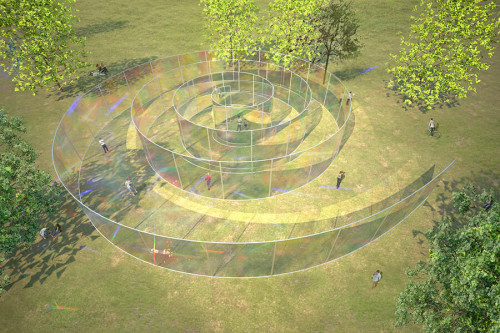
Green Square, Connecting Project, Sydney | A Needle Woman, Spiral
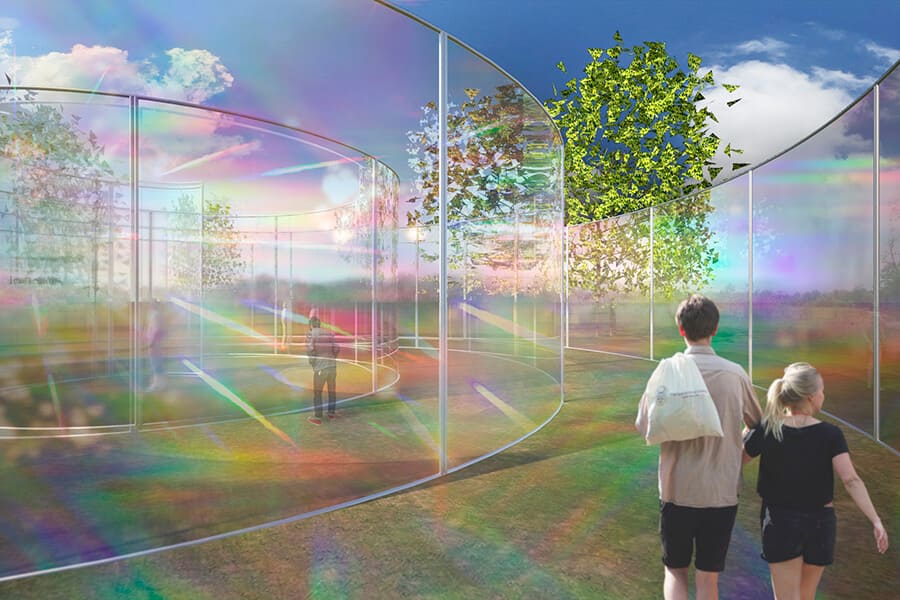
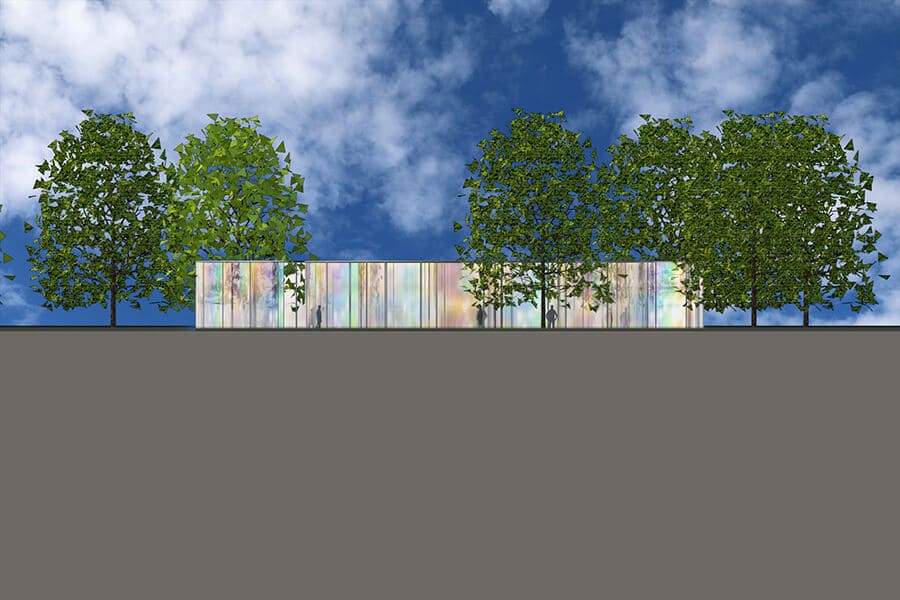
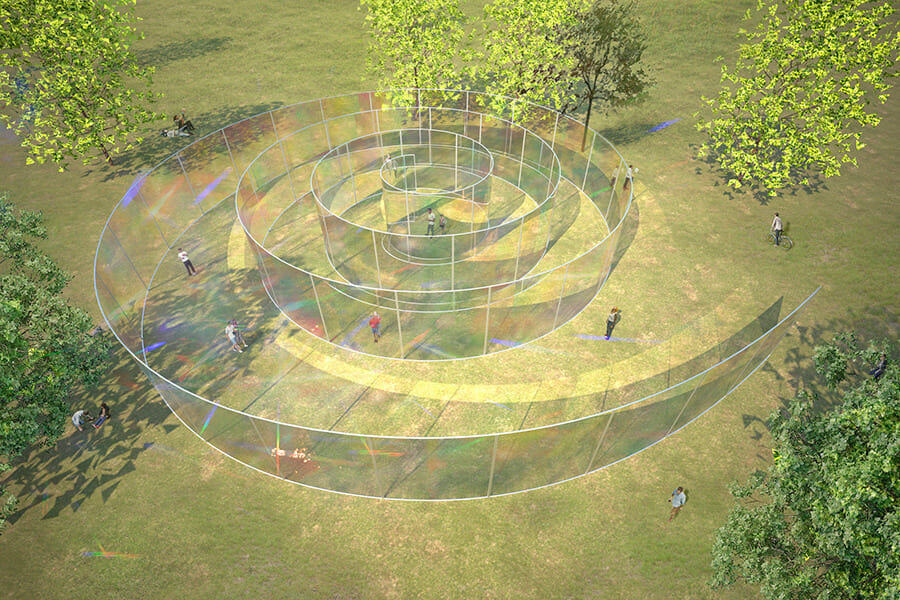
Green Square, Connecting Project, Sydney | A Needle Woman, Spiral
Detail Drawing of Proposed Mixed Media Site-specifc Installation
Green Square, Sydney, Australia
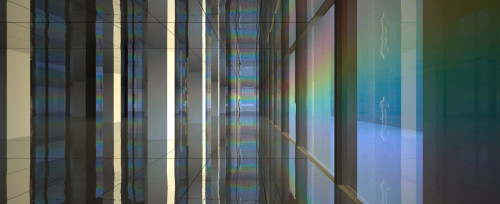
Penn Plaza Proposal | To Breathe
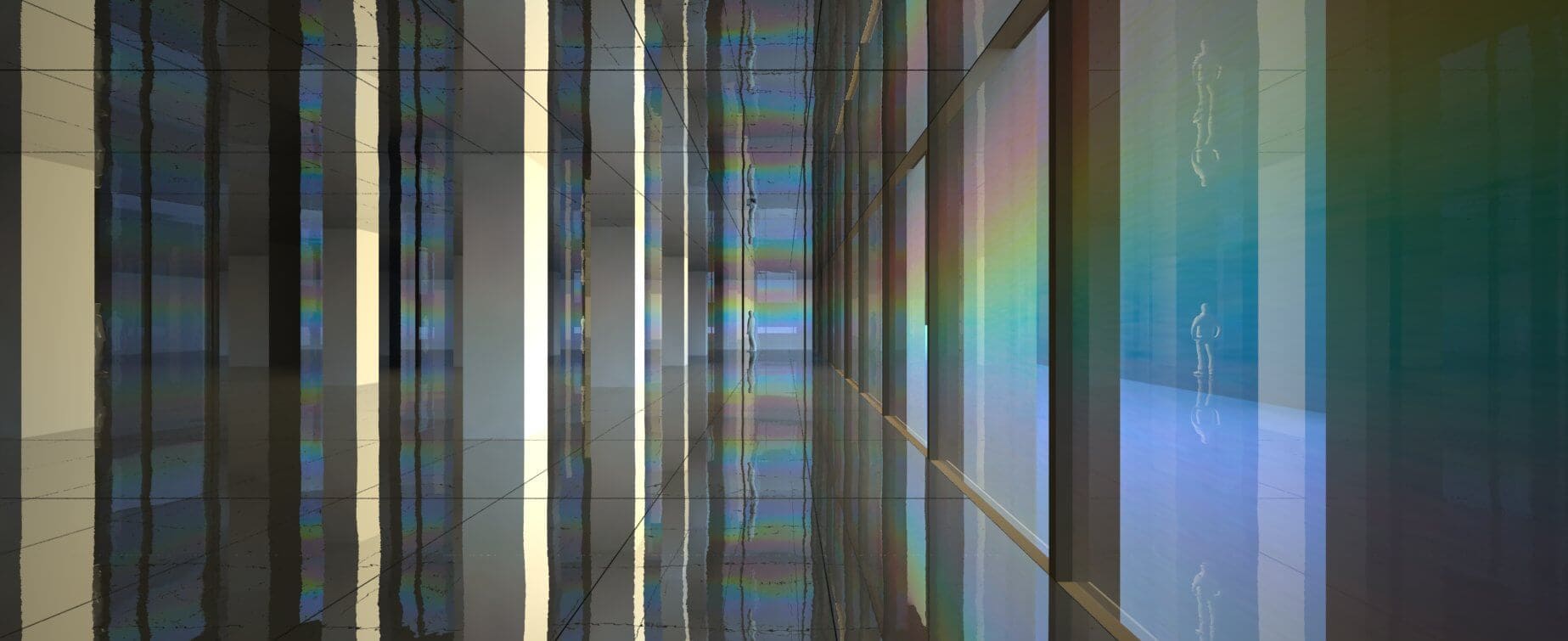
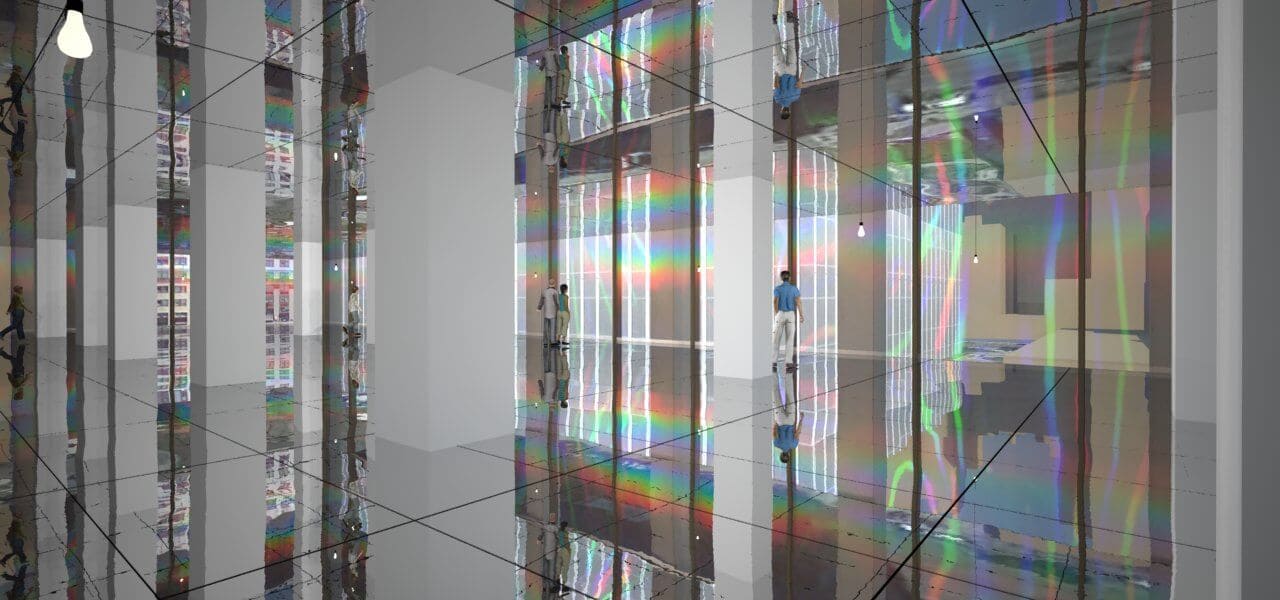
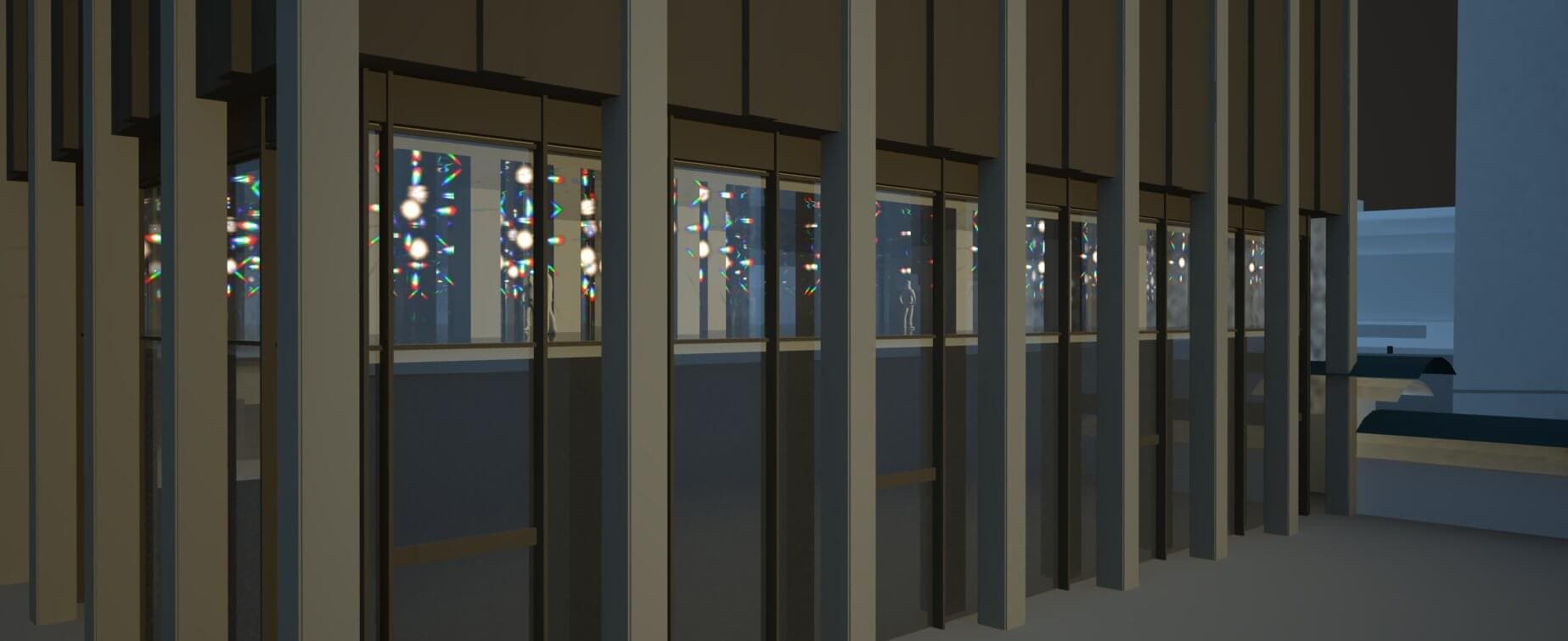
Penn Plaza Proposal | To Breathe
Detail Drawing of Proposed Mixed Media Site-specifc Installation
Penn Plaza, New York City, USA